Things to do
Sulphur Springs and the Soufrière Volcano
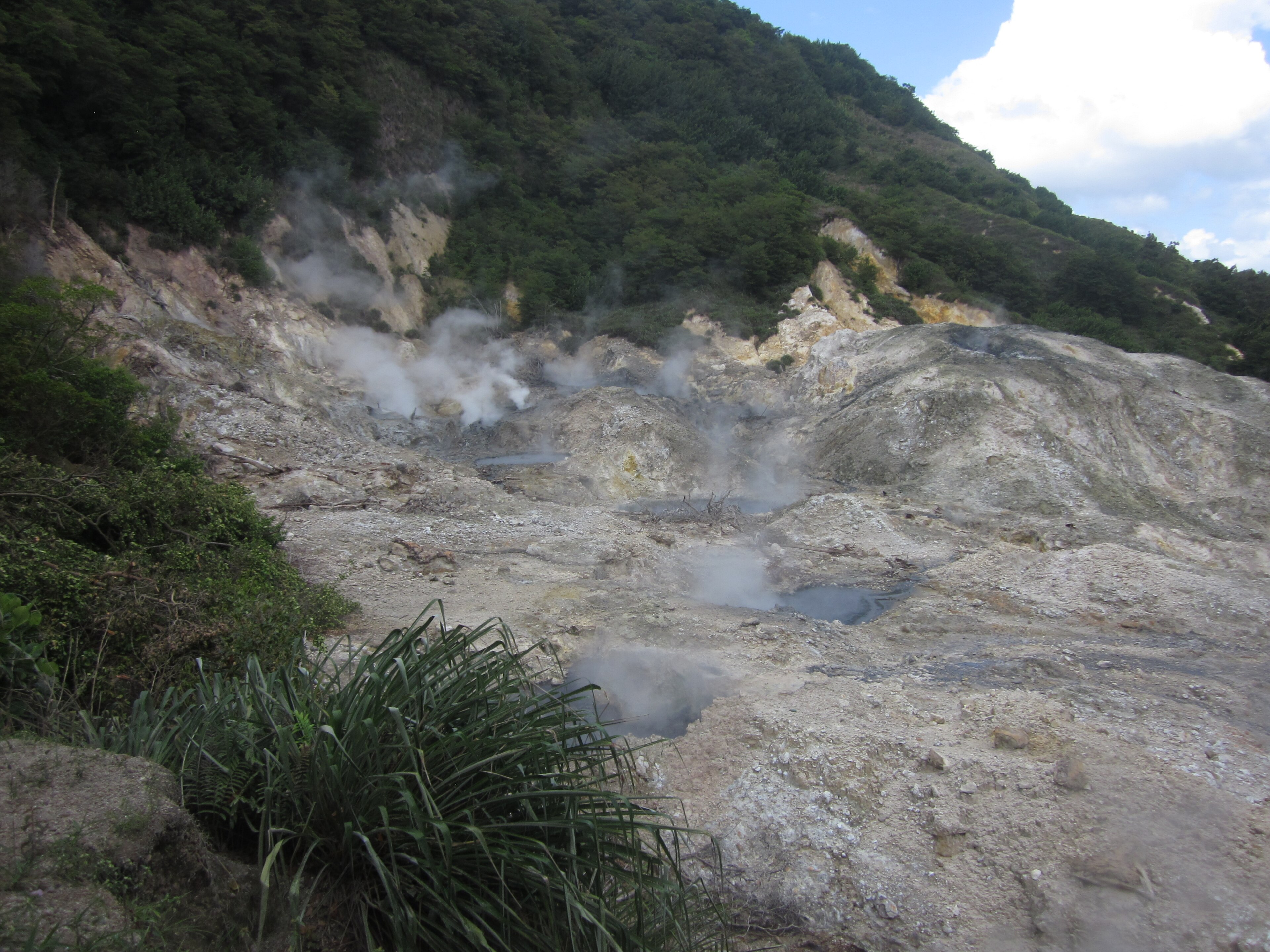
A geothermal area inside an ancient volcanic crater, where steam rises from vents and hot water bubbles beside the road.
A volcano you can reach by road
The Sulphur Springs lie just outside Soufrière, within the remains of a collapsed volcano. Saint Lucia is a volcanic island, and here the evidence is easy to see and smell. Steam rises from vents, water bubbles and the hillside is stained in yellows and greys. The site is often described as a drive-in volcano because you can approach it by road.
A guided walk takes you along platforms and paths past the main features. The guides explain the geology and the history of the crater, and they keep visitors away from the hottest and most unstable ground. Follow their directions.
Mud baths and warm water
Many visitors finish with a soak in warm, mineral-rich water, and a smear of volcanic mud is a popular, if messy, tradition. Bring swimwear, a towel and a change of clothes. Conditions and facilities change, so check what is open when you visit. People with health conditions or who are pregnant should take medical advice before using the baths.
- Allow roughly an hour or two for the visit.
- Wear footwear you do not mind getting dirty.
- Expect a strong smell of sulphur near the vents.
Combining it with other sights
The springs sit in the heart of the most scenic part of the island. Most visitors combine them with the waterfalls and gardens and a view of the Pitons, and some add a stop at a cocoa estate, described in our cocoa and chocolate guide.
Staying nearby makes the day easy. Resorts such as Anse Chastanet and Ladera are only a short drive away, and from the north the trip makes a long but rewarding day out.
The geology in plain terms
Saint Lucia sits on a volcanic arc where one tectonic plate slides beneath another. Millions of years of eruptions built the island, and the area around Soufrière is the remains of a large volcanic centre that partly collapsed. The Sulphur Springs mark the place where heat from deep below still reaches the surface, warming groundwater and sending steam and gases up through vents.
That heat is what produces the smell of sulphur, the bubbling pools and the yellow and grey ground. It also feeds the warm streams where visitors bathe. Guides explain how the system works and which areas are safe, and they are firm about keeping to the paths, since the ground near vents can be hot and unstable.
Planning your visit
Go early or late in the day if you can, because midday heat makes the sulphur smell stronger and the paths hotter. Allow time for the guided tour and a soak. Wear swimwear under your clothes, carry a towel and bring a bag for wet items, since the minerals can stain clothing.
Keep jewellery, especially silver and gold, away from the water, as sulphur can tarnish it. After the visit, a shower is welcome. The site is close to the waterfalls and gardens, and a cocoa lunch, described in our cocoa guide, rounds out the day.
- Avoid wearing jewellery in the water.
- Do not leave the marked paths.
- Ask about current opening hours and charges when you book.
What is it like to visit the Sulphur Springs in Saint Lucia?
Visiting the Sulphur Springs near Soufrière means a short guided walk past steaming vents, boiling water and bubbling mud pits inside a collapsed volcanic crater, followed by an optional smear of mud and a rinse in warm mineral water. You smell it before you see it, a sharp, eggy tang that grows as you approach, and the ground changes from green to yellow, grey and rust. At the centre the water boils and sends up plumes of steam, while sulphur gases escape from cracks in the rock and the stream turns black where sulphur reacts with iron.
The springs lie in a weak part of the crust of a vast crater that collapsed long ago, and they remain active today. A minor explosion in 1766 is the most recent recorded eruption. In the nineteenth century a sulphur mine operated on the site for a few years, and the legacy of that industry can still be traced in the landscape. After a guide was seriously burned in a mud pit in the 1990s, visitors have been kept to platforms and set paths a safe distance from the hottest ground, so follow the guides' directions at all times.
Downstream, the water cools enough for bathing. Many visitors finish by covering their skin in grey volcanic mud, letting it dry in the sun, and rinsing it off in a warm pool. It is a messy, cheerful ritual that feels faintly absurd and is usually enjoyed enormously. Our background article on geology and volcanoes explains how the island was formed, and it makes a good companion to the visit, because the springs are the most direct evidence of the forces that built the Pitons.
Is the Sulphur Springs mud bath worth it in Saint Lucia?
Yes for most visitors, the mud bath is a memorable, slightly messy experience, but the health benefits are traditional beliefs rather than proven facts, so enjoy it for fun and take advice if you have a medical condition. Pregnant visitors and people with heart, skin or breathing problems should check with a doctor before using the baths. Bring swimwear you do not mind staining, a towel and a bag for wet items, and leave silver and gold at the hotel, since sulphur can tarnish jewellery quickly.
If the mud at the springs does not appeal, the alternative is the Diamond Falls Botanical Gardens and Mineral Baths a few minutes away. The baths there are fed by geothermal springs and sit among tropical gardens, and the island's tourism authority notes that French troops once used the warm waters. The setting is gentler, with flowers and shade, and the experience is more of a soak than a smearing. Many visitors do both, starting with the dramatic crater and ending with the quiet garden.
Timing helps. Mornings and late afternoons are cooler and less crowded, and the light is kinder for photographs. Midday brings the strongest smell and the hottest paths, so avoid it if you can. Wear sturdy shoes, as the ground is uneven and may be wet, and keep children close, since the vents and pools are hot. A shower afterwards is welcome, and your hotel may offer one on your return. Allow an hour or two, and add time for the baths if you plan to use them.
How do I fit the Sulphur Springs into a day around Soufrière?
Visit the Sulphur Springs in the morning or late afternoon, then combine them with Diamond Falls, a cocoa estate and a view of the Pitons, all within short drives of Soufrière. The island's tourism authority notes that most waterfalls lie ten to twenty minutes from the town, so you can fit several stops into a day without a long drive. Our guide to Soufrière describes the town and its surroundings, and our guide to the Pitons explains the peaks that dominate the view.
A sample day might start with the crater at the cool end of the morning, move on to the gardens and a waterfall, then take lunch at a cocoa estate where you can taste chocolate, as described in our guide to cocoa and chocolate. The afternoon could be a swim or a snorkel, perhaps from the beach at Anse Chastanet, where the reef is a short swim from the sand. Finish with a drink on a terrace as the light changes over the peaks, and you have seen the best of the southwest in one day.
Visitors staying in the north can reach the springs on a long day trip, ideally by joining a tour so that someone else handles the winding road. Our getting around guide explains the options, and the helicopter tours page describes how a flight over the springs adds a new perspective. If you prefer to stay nearby, a base in the southwest turns the springs into an easy morning outing. Whichever you choose, check opening arrangements locally, since facilities and access can change.
How the springs came to be
The springs are a direct sign of the island's volcanic activity. The geology and volcanoes guide explains the processes in plain terms, and the geography page places the area in the landscape.
The nearby town and its past are covered by heritage and historic sites and French and British rule, and conservation and protected areas explains how the area is valued.
Where to stay and how to plan
Most visitors fit this into a holiday in St Lucia, so choose your base first. Compare places to stay in St Lucia by area and style, and read our guides to luxury hotels in St Lucia and all inclusive resorts in St Lucia if you are choosing between a boutique stay and an all in package.
Then set your dates with the best time to visit St Lucia, book flights to St Lucia and pick days out from our St Lucia itineraries. Couples can also read about a honeymoon in St Lucia or weddings in St Lucia.
Questions travellers ask
Why is it called the drive-in volcano?
Because the geothermal area sits within an ancient crater that can be reached by road, so you can almost drive straight into it.
Can you swim at the Sulphur Springs?
Visitors can usually bathe in warm mineral water and use the mud. Check current facilities when you visit, and take medical advice if you have a health condition.
How far is it from Soufrière?
It is a few minutes outside the town of Soufrière.
How long do you need at the Sulphur Springs in Saint Lucia?
Allow an hour or two for the guided walk and a little longer if you want the mud bath and a rinse. Add travel time if you are combining it with other stops.
Is the Sulphur Springs smell strong?
Yes, the smell of sulphur is strong near the vents and is stronger in the midday heat. It fades quickly once you leave the crater, so go early or late if it bothers you.
Is it safe to visit the Sulphur Springs with children?
Yes, if you keep to the paths and platforms and stay close to your children. The vents and pools are hot, so supervision matters, and guides will point out where it is safe.
Can you bathe in the mud at the Sulphur Springs?
Many visitors enjoy the warm mud and pools, but access rules and facilities change, so check on arrival. Wear swimwear you do not mind staining. See spa rituals and mud baths for related experiences.
What should I bring to the Sulphur Springs?
Bring swimwear, a towel, water, sun cream and sandals, and old clothes that can get muddy. Jewellery may tarnish in the sulphur, so leave it at your hotel. See what to pack for general advice.
Is the Sulphur Springs worth visiting?
Yes, it is one of the island's most distinctive sights and easy to combine with other stops near Soufrière. The smell is part of the experience. See Soufrière for nearby attractions.
When is the best time to visit the Sulphur Springs?
Visit in the morning for cooler temperatures and fewer visitors, ideally when cruise ships are not in. Check local advice on the day, as access and conditions can change. See cruise arrival for busy days.
Sulphur Springs on the map
Sulphur Springs is at 13.8400 degrees north, 61.0471 degrees west. Map data from OpenStreetMap contributors.
Ask Lucy about Sulphur Springs
Ask about places to stay, things to do, the weather or getting here.
Keep exploring Saint Lucia
Looking for the industry view? Visit St Lucia on VisitTravelGroup.com covers the destination for travellers and the tourism trade.
More from the Visit Travel Group network: VisitTravelGroup.com, Benidorm.co.uk, Anguilla.co.uk, TheRedSea.co.uk.