About Saint Lucia
Agriculture and Bananas in Saint Lucia: From Green Gold to Farm Tours
For a generation, bananas were the green gold that paid for Saint Lucian schools, roads and village life. The trade has shrunk, but the farms, markets and fishing boats are still the best way to taste the island.
From sugar to bananas: how the farming economy took shape
Saint Lucia's farms have always followed the demands of distant markets. Under French and British rule the fertile valleys were given over to sugar, worked by enslaved Africans whose labour built the island's first great plantation economy. When slavery ended, estates struggled to find workers on the old terms, and many freed families took up small plots of their own, growing food for the household and a little to sell. That pattern of small family holdings survives today. You can read how that change unfolded in our guides to slavery and emancipation and French and British rule.
Sugar faded through the twentieth century, and by the 1950s the island's farmers and its British trading partners were looking for a replacement. Bananas were the answer. The fruit grows well on the steep, well-watered slopes of the Windward Islands, it can be cut every week of the year, and it paid small growers a regular cheque, something sugar had rarely done. British shipping and marketing companies built a regular fruit trade between the Windward Islands and the United Kingdom, and from that point the banana became the backbone of rural life.
The Windward Islands, which are Saint Lucia, Dominica, Grenada and Saint Vincent and the Grenadines, became closely tied to the British breakfast table. Bananas were so central to the economy that islanders came to call them green gold, and the phrase is still used when older farmers describe those years. To understand why the island looks and feels the way it does, it helps to see the banana as the force that moved people, money and ambition into the countryside for several decades.
The golden years and the preference system
Farmers did not grow bananas for a free market. The trade rested on preferential access to Europe, which was written into the Lomé Conventions between the European Community and a group of African, Caribbean and Pacific states, and which included a Banana Protocol. In practice, Caribbean fruit entered the European market on better terms than fruit from large Latin American plantations, which could produce far more cheaply. The preference was the reason a farmer with a few acres on a Saint Lucian hillside could compete with a multinational estate.
In the 1980s and early 1990s, bananas became the island's main source of export income. Under the government of John Compton, which returned to power in 1982, banana exports rose strongly and the industry became the country's largest source of revenue. Thousands of households depended on it, directly or indirectly, as growers, packers, drivers, boxers and shopkeepers. Weekly banana boats loaded at Castries and at the southern port, and the cash they brought home paid for houses, school uniforms and the first family cars.
That dependence carried a risk, and the island knew it. A single crop, sold to a single region under rules set in other capitals, left Saint Lucia exposed to hurricanes, disease and trade politics. Hurricane Allen in 1980 and later storms damaged the crop, and in each case it took months for farms to recover. Our guide to independence and modern history describes how governments tried to cope with that exposure and widen the economy.
The banana dispute and the end of preferential access
The preference system came under attack just as it reached its peak. After the European single market began in 1993, a new banana regime of quotas and licences was challenged at the General Agreement on Tariffs and Trade and then at the World Trade Organization by several Latin American producers and the United States, who argued that it discriminated against their fruit. The dispute dragged on for roughly a decade, from 1993 to 2001, and it was one of the longest and most bitter trade cases of its time. Saint Lucian farmers, who had never imagined that a committee in Geneva could threaten a hillside plot, followed it with anxiety.
The case ended in stages. A settlement between the European Union and the United States was reached in 2001, and a waiver for the Caribbean arrangement was agreed at the Doha ministerial meeting that year, on the understanding that the European Union would move to a tariff-only system. That change took effect on 1 January 2006, and the old quotas disappeared. African, Caribbean and Pacific suppliers kept a duty-free allowance, but Latin American fruit above a set volume paid a tariff, and the tariff fell over time. In December 2009 the Geneva Agreement on Trade in Bananas cut the European import tariff on Latin American fruit from 176 euros a tonne to 114 euros a tonne, to be reached by 2017.
For Saint Lucia the effect was gradual but severe. Prices fell, production costs stayed high on steep land, and thousands of growers left the industry. The European Union set up Banana Accompanying Measures to help affected Caribbean producers diversify, with funds agreed after long delays in 2011. Hurricanes added to the strain, including Hurricane Dean in 2007 and Hurricane Tomas in 2010. The economic consequences are covered in our guide to the economy of Saint Lucia, and the wider trade story, including the later UK trade agreement with the Caribbean, is in law and foreign relations.
Bananas today: Fairtrade, small farms and new markets
Bananas have not disappeared. They remain the best-known crop on the island, and they still occupy more farmland than any other single crop. At the 2010 agricultural census, bananas covered around 14,800 acres and coconuts around 12,400, within roughly 10,000 farm holdings that averaged about three acres each. By 2018 the island exported a little under 14,000 tonnes, a fraction of the volumes of the boom years but evidence that a smaller, more focused industry could survive. Recent figures vary from season to season, so treat any single year as a snapshot rather than a trend.
One lifeline has been Fairtrade. The Fairtrade system guarantees growers a minimum price and pays a premium for community projects, and the Windward Islands were among the first places to supply Fairtrade bananas to British supermarkets around the turn of the millennium. For a small producer, certification offers a steadier price and a story that shoppers in the United Kingdom will pay for. Look for it on the label when you buy bananas at home, and you may be buying fruit that began life on a Saint Lucian hillside.
The industry is also looking for new customers. In late 2024 the National Fair Trade Organisation of Saint Lucia sent its first shipment of bananas to Canada, a move linked to the regional ambition to reduce food imports and grow Caribbean exports. Local supply to hotels and supermarkets matters too, because Saint Lucians eat a great deal of banana in every form. The national dish, green figs and saltfish, uses unripe bananas, which are called figs in the island's speech, so a trip to a restaurant is a lesson in the crop's cultural weight. See our guide to food and rum for the dish and its companions.
Cocoa, coconuts, mangoes and other crops
Bananas share the island with a wider orchard. Cocoa is the crop with the most exciting recent story, because a handful of estates around Soufrière have turned it from a commodity into a visitor attraction and a premium product. Coconuts are among the oldest crops on the island, and the trees fringe many coasts. Coconut oil, coconut water and copra are produced locally, and coconut oil is among the products promoted under the Taste of Saint Lucia export brand alongside honey, rum, chocolate and granola.
Mangoes are the great pleasure of the warm months. Saint Lucia grows many varieties, from the small, sweet and stringless to larger fruit, and the Julie mango, loved across the Caribbean, has devoted followers who will happily tell you about their favourite tree. Mangoes ripen mostly in the spring and summer, so a visit then lets you eat them straight from a roadside stall. Avocados, citrus, soursop, passion fruit, breadfruit and the tart golden apple also grow here, and so do ground provisions, the starchy roots such as yams, dasheen and sweet potato that form the heart of a traditional plate.
Livestock is a smaller sector, dominated by poultry and pork, and the island is self-sufficient in eggs. Even so, Saint Lucia imports a large share of its food, which is why government programmes, regional food security plans and cooperation with partners such as Taiwan have focused on raising local production. Curious travellers will find the plants themselves fascinating, and our guides to local plants and traditional uses and botanical gardens and nature parks show how many of them are used in cooking, bush tea and home remedies.
Fishing and the island's seafood
The sea is a farm of another kind. Fishing has long been important to coastal communities, and boats still leave before dawn from villages such as Dennery, Anse la Raye, Laborie, Gros Islet and Soufrière. The catch includes tuna, mahi-mahi, wahoo, kingfish, flying fish and snapper, along with lobster and conch in season, and a good deal of it goes straight to market stalls and village restaurants. Fish is part of the daily diet in a way that visitors soon notice, whether stewed, fried, grilled or cooked in a creole sauce.
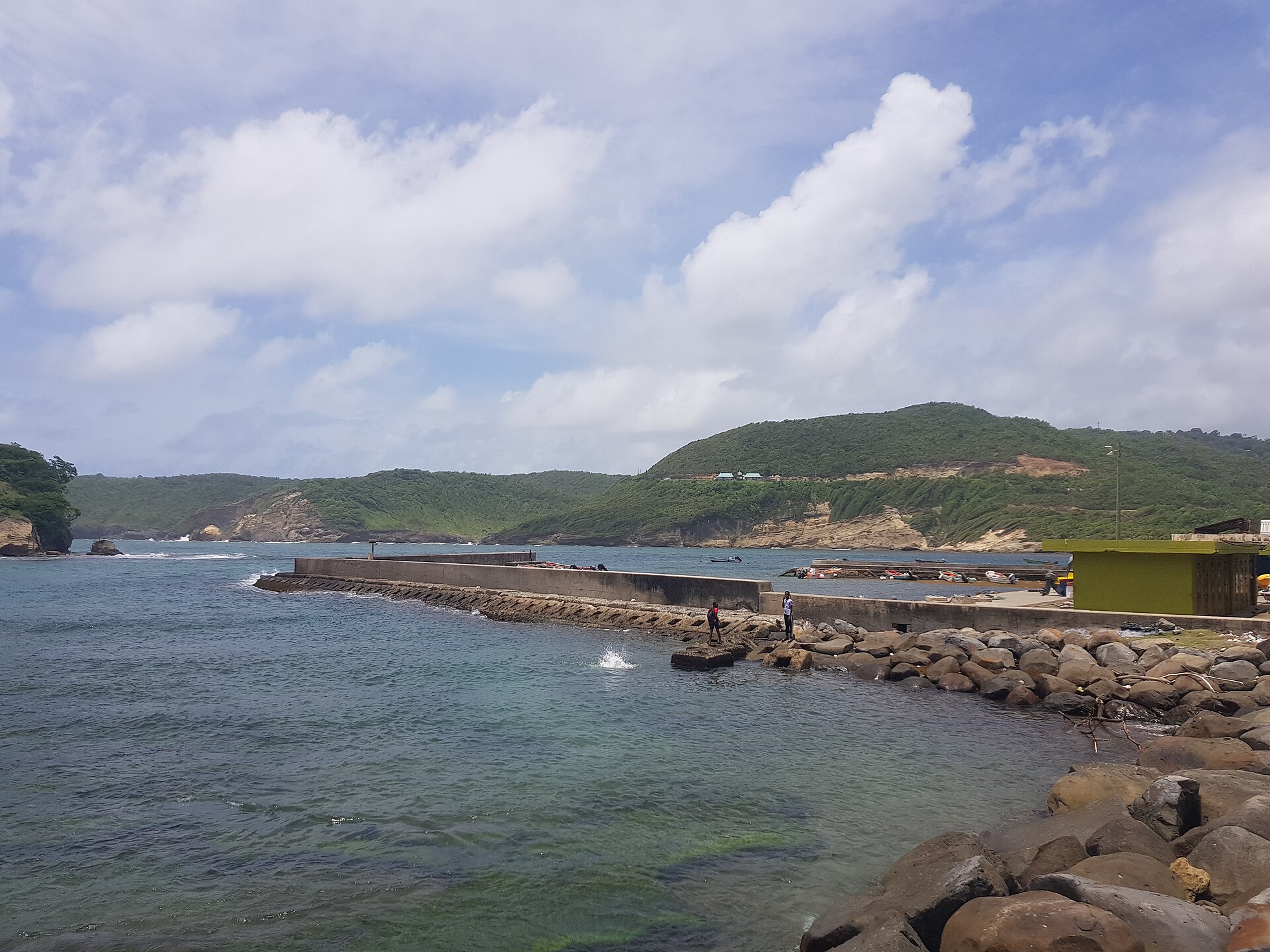
Fishermen are also stewards of the reef, and the relationship between catch and conservation is a live issue. Marine management areas protect sensitive stretches of the coast, and fishing communities work with the authorities on seasons and gear. The east-coast village of Dennery has a working jetty and a fishing tradition, while Anse la Raye is known for its weekly Friday night street food, where grills are fired up along the road and local families mix with visitors. Both are good places to see the industry up close.
If you want to join the hunt, the island has plenty of charter boats for big-game fishing. Our guide to deep sea fishing explains what you might catch and how trips are run, and many captains will cook or share the catch afterwards. Buying direct from a fisherman on the beach is another pleasure, though be sure to arrive early, because the best fish go quickly.
Where visitors can taste Saint Lucian farming
The easiest place to start is a market. Castries Market is the island's most famous, a busy hall of fruit, vegetables, spices, bush medicine and handicrafts that is liveliest on Saturday mornings. Go early, take small notes for change, and ask stallholders to name what you do not recognise. Our Castries guide describes the surrounding streets, and the artisan markets and crafts guide covers other markets across the island, including Soufrière and Vieux Fort.
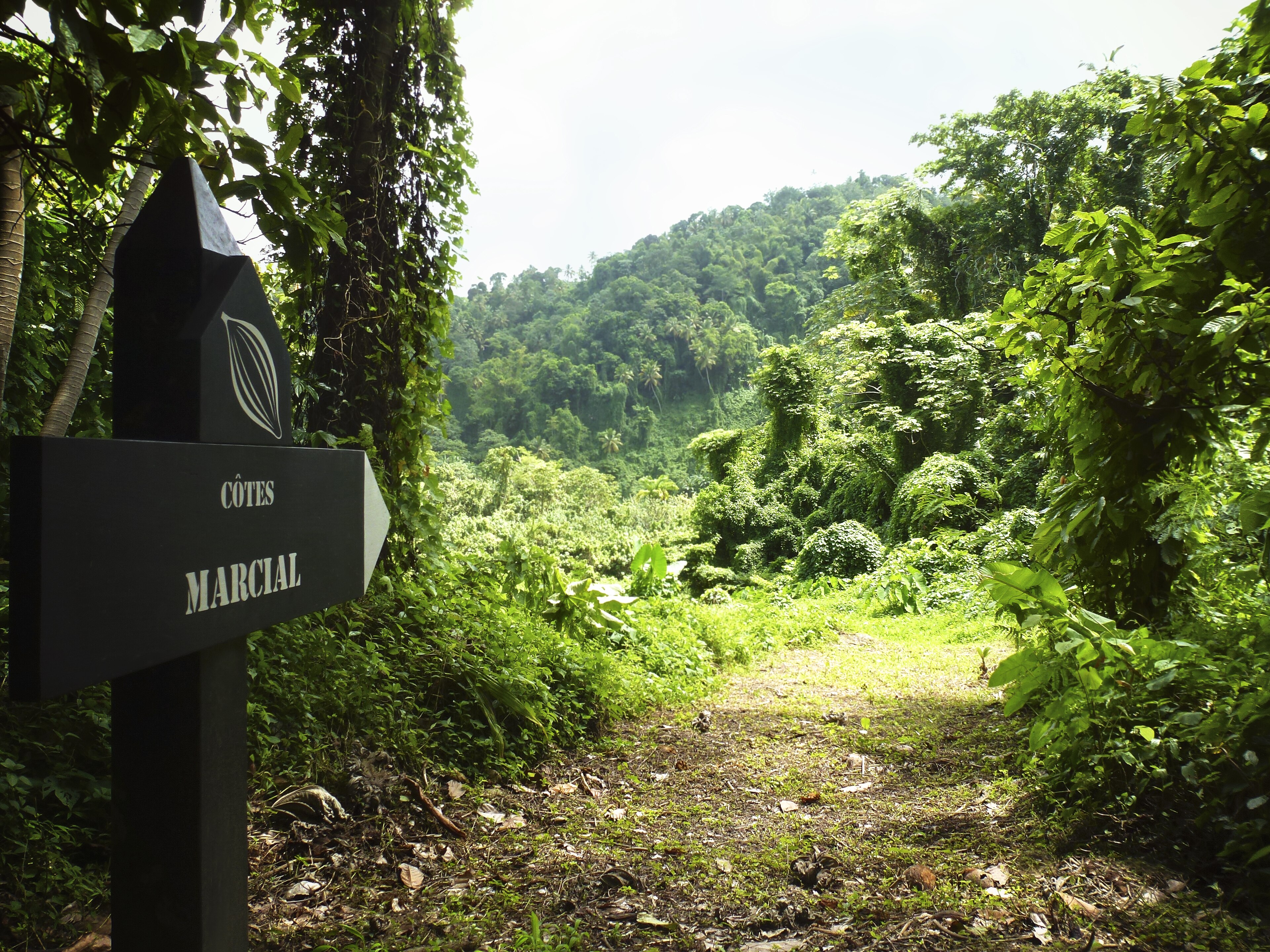
Cocoa is the star of the farm visit. Rabot Estate, a working cocoa plantation near Soufrière operated by the British chocolate company Hotel Chocolat, offers tours, a tree-to-bar chocolate workshop and a restaurant that cooks with cocoa. Fond Doux, an estate with roots in the eighteenth century, also welcomes visitors to walk among cocoa, coconut, banana and citrus trees and to see beans fermented and dried. Both are in the Soufrière hills and combine easily with the Pitons and Sulphur Springs. Details are in our guides to cocoa and chocolate and Soufrière.
For a meal that puts all of this on the plate, try farm to table tastings, the hands-on creole cooking classes, and the roadside grills described in our street food guide. Buy bananas, mangoes or cocoa sticks from the people who grew them, and look for the Taste of Saint Lucia label on packaged gifts. If you are choosing what to bring home, our guide to shopping local explains how to spend where it counts, and the rum and local distilleries guide covers the sugar-cane side of the story.
- Castries Market: fruit, spices and crafts, busiest on Saturday mornings.
- Rabot Estate near Soufrière: cocoa plantation, tours and chocolate workshops.
- Fond Doux: an old estate with cocoa, coconut and citrus trees to walk through.
- Anse la Raye and Dennery: fishing villages with fresh seafood.
- Roadside stalls in the mango season: ripe fruit straight from the tree.
Planning around the seasons and farming's challenges
Farming here is shaped by weather. The wetter months from June to November bring the hurricane season, and a single storm can strip a banana plantation in an afternoon. Dry spells in the early part of the year can cut water for crops and households alike, which makes irrigation and good watershed care important. Our best time to visit guide explains the climate in more detail, and the sibling guide to climate and hurricanes covers the storms that have shaped farmers' lives.
Farms also face labour shortages, praedial larceny, which is the local term for crop theft, ageing growers and the pull of better paid jobs in tourism. The government and regional bodies have responded with support for young farmers, cooperative marketing, small-scale processing and organic and sustainable methods. These are slow changes, but they matter, because every banana, mango and fish you buy locally helps keep that landscape working.
Respect is the golden rule for visitors. Ask before you photograph a farmer or enter a plot, never take fruit from a tree unless invited, and be ready to haggle gently rather than hard. A little curiosity goes a long way, and many growers will happily explain their work to someone who asks.
Questions travellers ask
Why were bananas so important to Saint Lucia?
From the 1950s until the 1990s, bananas gave thousands of small farmers a weekly income and became the island's largest export, which is why they were nicknamed green gold. They paid for homes, schools and village life across the countryside.
What was the banana dispute at the WTO?
Latin American producers and the United States challenged the European Union's banana regime from 1993, arguing that it favoured Caribbean and African suppliers. The long dispute ended with a move to a tariff-only system in 2006 and a reduced tariff after the 2009 Geneva Agreement.
Does Saint Lucia still export bananas?
Yes, but on a much smaller scale than in the boom years. The island exported just under 14,000 tonnes in 2018, and growers now look to Fairtrade, regional sales and new markets such as Canada, which received a first shipment in late 2024.
What does Fairtrade mean for banana growers?
Fairtrade certification guarantees a minimum price and adds a premium that farmers spend on community projects. Windward Islands growers were among the first to supply Fairtrade bananas to British shops, which gave small producers a steadier income.
Where can I visit a cocoa estate in Saint Lucia?
Rabot Estate and Fond Doux, both near Soufrière, welcome visitors. You can walk among the trees, see beans fermented and dried, and taste chocolate. Book ahead in high season, and combine the visit with the Pitons or Sulphur Springs.
What is the best market for local produce?
Castries Market is the biggest and most famous, with fruit, vegetables, spices and crafts, and it is liveliest on Saturday mornings. Smaller markets in Soufrière, Vieux Fort and other towns are quieter but just as local.
When are mangoes in season?
Mangoes ripen mainly in the spring and summer, so visitors from about April to August have the best chance of eating them fresh from roadside stalls. The exact timing varies by variety and by the weather in a given year.
What is the national dish and how does it relate to bananas?
The national dish is green figs and saltfish. In Saint Lucia, figs are unripe bananas, which are boiled and served with salted cod, onions and peppers, so the crop sits on the island's tables as well as in its export history.
How big is farming in the Saint Lucian economy now?
Agriculture contributed around 2 per cent of national output and about 8 per cent of jobs in 2021. It is small compared with tourism, but it supports rural households, feeds local markets and gives visitors much of their cultural experience.
Can I buy fresh fish directly from fishermen?
Yes. In villages such as Dennery and Anse la Raye you can buy from boats and market stalls, and weekly street food nights serve fish cooked on the spot. Go early for the best choice, and agree a price before you buy.
Saint Lucia on the map
Saint Lucia lies in the Windward Islands of the eastern Caribbean, around 13.8830 degrees north, 60.9670 degrees west. Map data from OpenStreetMap contributors.
Ask Lucy about Agriculture and bananas
Ask about places to stay, things to do, the weather or getting here.
Keep exploring Saint Lucia
Looking for the industry view? Visit St Lucia on VisitTravelGroup.com covers the destination for travellers and the tourism trade.
More from the Visit Travel Group network: VisitTravelGroup.com, Benidorm.co.uk, Anguilla.co.uk, TheRedSea.co.uk.