Experiences
Farm-to-Table Tastings in Saint Lucia
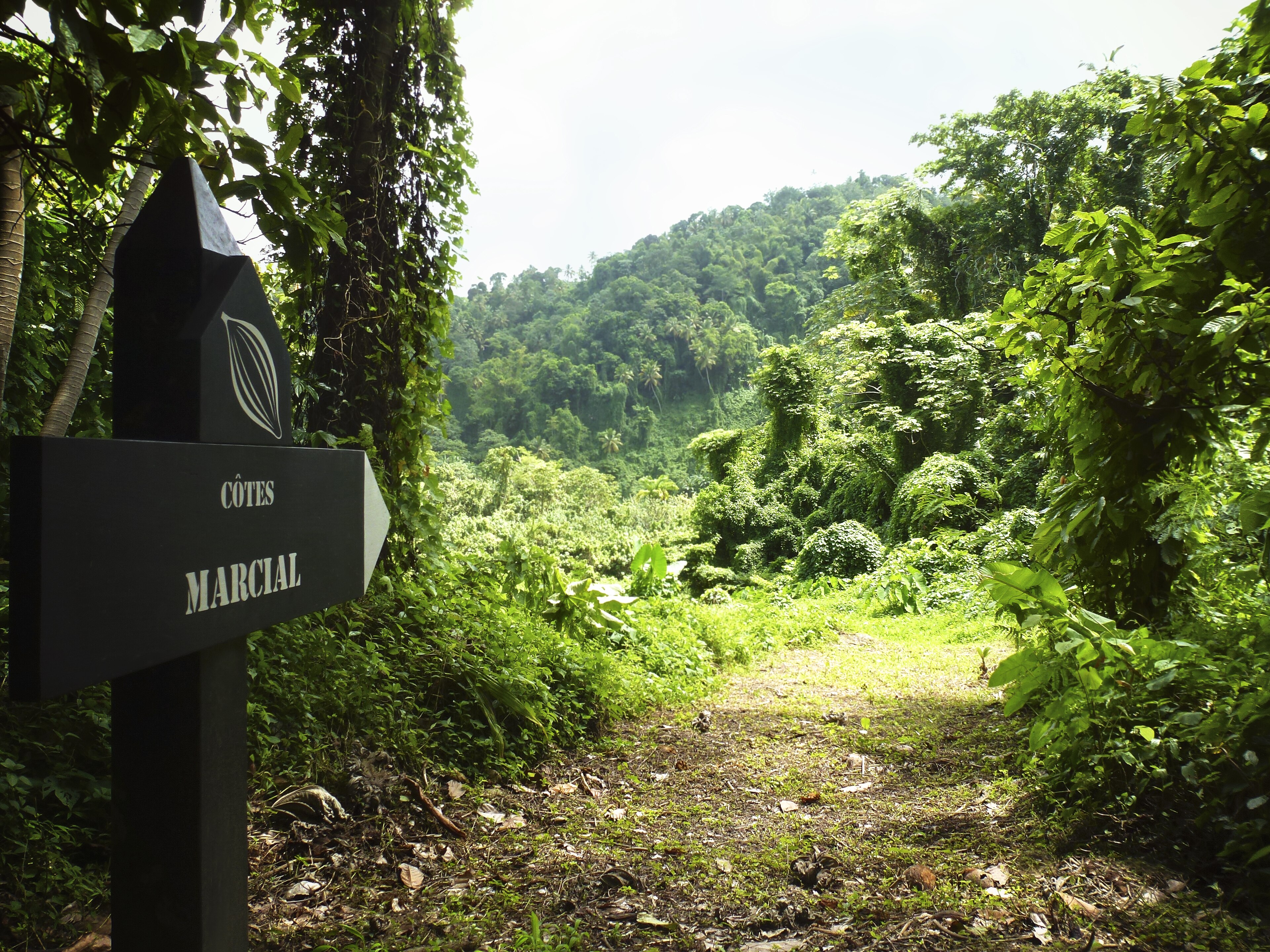
Saint Lucia's volcanic soil and tropical rain grow cocoa, spices, fruit and root crops, and a number of farms and estates now welcome visitors to taste them.
Eating at the source
Farm-to-table here is not a trend borrowed from elsewhere. Fertile valleys, volcanic soil and regular rainfall have long supported farming, and much of the island's cooking comes straight from that land. The experiences below let you walk among the crops, hear from the people who grow them and taste the results.
Most are in the southwest around Soufrière and in rural communities such as Babonneau, though the capital's market offers the same flavours in a single morning. Whichever you choose, check opening times and book ahead.
Cacao and chocolate near Soufrière
Rabot Estate sits in the Soufrière hills and is recognised as the island's oldest working cacao farm. Visitors walk through the cacao groves, learn how the pods are fermented and dried, and see how chocolate is made from tree to bar. Tastings and meals highlight ingredients grown on the estate and nearby.
If you want a longer look at the process, our cocoa and chocolate guide explains the tours and hands-on sessions. The estate also has a restaurant, described in the fine dining and champagne guide.
Organic farms and Creole cooking
Several farms across the island welcome guests for guided walks and cooking sessions. You learn how cassava, breadfruit, herbs, cocoa and tropical fruit are grown, then join your hosts in the kitchen to cook with what has just been harvested. These visits combine neatly with a Creole cooking class.
Another good local option is Noble Tree Coffee and Cocoa, which sources beans from local farmers and processes them itself. Single-origin Saint Lucian coffee, artisan chocolate and cocoa creations make this a worthwhile stop for anyone who likes a proper cup.
Women farmers and sea moss
Helen's Daughters is a community-led initiative that connects visitors with women farmers and producers. Depending on the season you might see sea moss farming, visit farms, taste seasonal produce and talk about sustainable agriculture and local food traditions. It is a good example of tourism that supports the people doing the work, a theme we explore in the community tourism guide.
Castries Market and estate dining
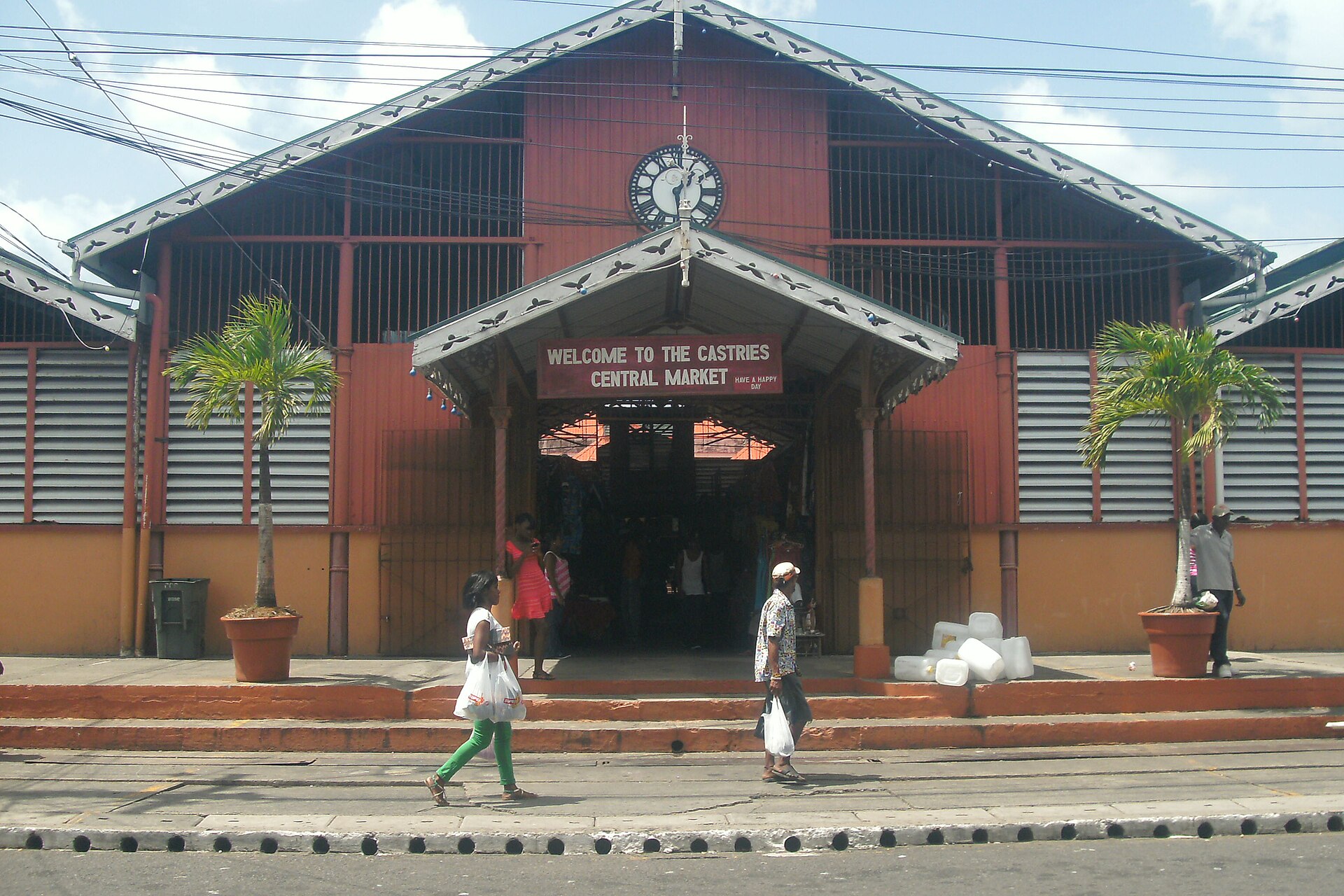
For an everyday view of island food, spend a morning at the market in Castries. Farmers and vendors bring tropical fruit, spices, cocoa sticks, vegetables, sauces and Creole snacks, and Saturday is the busiest day. It is also where many restaurant kitchens shop, so you are seeing the island's pantry.
In the evening, several boutique resorts and estates around Soufrière build menus from nearby farms and fishermen. Dishes change with the season and might feature fresh seafood, local herbs and tropical produce with the Pitons as a backdrop. The Ladera and Anse Chastanet pages show two resorts that take this approach.
Cocoa, rum and local tastings
Tasting here extends beyond meals. You can try locally made rum, cocoa tea, fruit preserves, hot sauces and island spices while learning about the farming traditions behind them. Our rum and distilleries guide picks up the rum side in detail.
A farm day pairs well with a swim afterwards. Check the waterfalls and gardens guide for easy stops nearby, and wear sturdy shoes, a hat and insect repellent for any estate walk.
What is a farm or estate tasting visit in Saint Lucia like?
A farm or estate tasting in Saint Lucia is a guided walk among working crops such as cocoa near Soufrière, followed by tastings of what is grown, so you see and taste the island's food at its source. A farm or estate visit begins slowly, and that is the pleasure of it. You arrive in the cooler part of the morning, are handed a drink made from something grown nearby, and walk out among the trees with a guide who knows each plant by sight. Cocoa pods hang straight from the trunk in colours that surprise first-time visitors, and the shade is deep and green, with a faint sweetness in the air. The guide explains how the crop is grown and harvested, and you are encouraged to touch, smell and taste as you go. It is a physical, sensory kind of tourism, far removed from a museum or a factory tour.
The tasting is where the walk turns into a meal. Beans, nibs, pastes and finished bars are laid out in order, so you can taste the journey from fruit to chocolate and notice how fermentation and roasting change the flavour. On other farms the tasting is a table of fruits, roots and cooked dishes, each one made from something you have just walked past. The best hosts talk about the people behind the harvest as much as the plants, and you leave with a sense of how many hands are involved. Take your time, ask questions and let the conversation run beyond the planned schedule, which on the island is often more of a suggestion than a timetable.
Practical preparation makes the day smoother. Wear closed shoes with grip, because paths between the trees can be muddy after rain, and bring a hat, sun protection and insect repellent. A light waterproof layer is useful in the wetter months, and a small bag keeps your camera and purchases dry. Carry some cash for bars, preserves and sauces sold at the end of the tour, as these are often the best souvenirs of the day. For how the wider region fits together, our Soufrière guide describes the town and its surroundings, which hold many of the island's best-known estates.
When is the best time to visit farms and estates in Saint Lucia?
Farms and estates in Saint Lucia can be visited all year, with wetter months giving greener hillsides and the drier season from December to May giving firmer paths and clearer views, so choose by comfort rather than harvest. Farms look different through the year, and a good guide will tell you what the season has brought. In wetter months the hillsides are at their greenest, streams run fuller and the forest floor is rich and damp, which makes for atmospheric walking. In the drier months the paths are firmer, the days brighter and the views across the valley clearer. Neither is better than the other, and each has its own character. Harvests and flowering depend on the crop, so ask what is being picked when you book, rather than assuming that every plant is at its best on the day you visit.
Whatever the season, the farms are working places and the work comes first. Pods are cut, beans are fermented and dried, vegetables are weeded and fruit is gathered, and visitors fit in around that rhythm. This is part of the appeal, because you see real agriculture rather than a staged version of it. Be patient if the guide is called away for a moment, and stay on marked paths so that crops are not trodden. Our rainforest and plant life guide explains the wider vegetation of the island, and it helps you recognise what you are looking at when the trees close in.
Many of the visits sit within reach of walking trails and viewpoints, which turns a tasting into a fuller outdoor day. A morning among the cocoa trees can lead naturally into a gentle ramble, a swim or a lunch with a view. If you enjoy being outdoors, the hiking and rainforest guide suggests routes of different lengths, and you can match the effort of the day to your energy. Visitors who prefer to keep things easy can choose a short estate walk and a long lunch, and no one will think less of them for it.
How do you plan a farm-to-table day around Soufrière?
Plan a farm-to-table day around Soufrière by visiting a hillside cocoa estate in the cool morning, lunching on a menu built from nearby produce, and spending the afternoon at Sulphur Springs or a viewpoint, ideally with a driver. The southwest coast is the natural home of farm-to-table travel, and it rewards a day built slowly. Start at an estate in the hills in the morning, when the air is cool and the tours are quiet. Break for lunch where the menu is built from what grows nearby, then spend the afternoon at one of the area's easy attractions. The warm mud and steaming vents at Sulphur Springs make a vivid contrast with the green calm of the estate, and the two fit together comfortably in a single day without feeling rushed.
If you are staying nearby, consider eating dinner where the kitchen takes its inspiration from the same farms. Resorts on the hillsides above the sea often build their menus around local fish, fruit and vegetables, and an evening meal can echo the morning tour. The Ladera page describes a resort whose open-air dining room looks straight between the Pitons, and it is a good example of this approach. A day that moves from field to plate to a view of the peaks has a satisfying shape that stays with people long after the details of other excursions have faded.
Remember the practical side. Roads in the south are steep and winding, journey times are longer than the map suggests, and a driver or guide is often easier than hiring a car. Our getting around guide explains the choices, and booking a private driver for the day also frees you to taste rum or wine without worry. For couples who want the day to feel special, a farm lunch followed by a quiet spa afternoon is a pleasing combination, and our spa rituals and mud baths guide describes treatments that grow from the same volcanic soil.
From estate and field to your plate
A tasting means more when you understand the farming behind it. Agriculture and bananas tells the story of the island's growing traditions, and rainforest and plant life shows how rich the plant world is.
The soil owes much to the land itself, explained in geology and volcanoes, while the economy of Saint Lucia explains why local producers matter.
Turning this into a St Lucia holiday
Most visitors fit this into holidays to St Lucia, so choose your base first. Compare St Lucia hotels by area and style, and read our guides to luxury hotels in St Lucia and all inclusive resorts in St Lucia if you are choosing between a boutique stay and an all in package.
Then set your dates with the best time to visit St Lucia, book flights to St Lucia and pick days out from our St Lucia itineraries. Couples can also read about a honeymoon in St Lucia or weddings in St Lucia.
Questions travellers ask
Where can I do a farm-to-table experience in Saint Lucia?
Mostly around Soufrière, where cacao estates and farms are concentrated, and in rural communities such as Babonneau. Castries Market also works.
What is Rabot Estate?
A working cacao estate near Soufrière, recognised as the island's oldest, offering tours, tastings and meals using ingredients grown nearby.
What is Helen's Daughters?
A community-led initiative linking visitors with women farmers, with experiences that may include sea moss farming, farm visits and seasonal tastings.
When is Castries Market busiest?
Mornings, and especially Saturdays, when farmers and vendors from across the island bring produce to sell.
Do I need to book farm visits?
Usually yes. Smaller farms and estates run set tours, so check availability and times before you travel.
What should I wear to a farm visit?
Closed, grippy shoes, light clothing, a hat, sun protection and insect repellent. Paths can be steep and muddy after rain.
Is it suitable for children?
Often yes. Cocoa tours and hands-on sessions are popular with families, but ask each host about age limits and what is involved.
Can I combine a farm visit with other sights?
Yes. Soufrière farms sit close to the Sulphur Springs, waterfalls and Pitons, so a full day out is easy to plan.
Do I need to book a farm or estate tour in advance?
It is wise to. Estates run set tour times and small groups, and cooking or tasting sessions need preparation, so book ahead, particularly in the busier winter months, and confirm timings with your host.
Are farm-to-table tastings suitable for children?
Usually yes. Children often enjoy touching cocoa pods and tasting chocolate, though walks can be muddy and warm, so choose shorter tours for young ones and bring water, hats and spare clothes.
What should I wear to visit a working farm?
Wear light, breathable clothing, closed shoes with a good grip, a hat and insect repellent. A light waterproof layer helps in wetter months, since paths between the trees can turn muddy quickly.
Saint Lucia on the map
Saint Lucia lies in the Windward Islands of the eastern Caribbean, around 13.8830 degrees north, 60.9670 degrees west. Map data from OpenStreetMap contributors.
Ask Lucy about Farm-to-table tastings
Ask about places to stay, things to do, the weather or getting here.
Keep exploring Saint Lucia
Looking for the industry view? Visit St Lucia on VisitTravelGroup.com covers the destination for travellers and the tourism trade.
More from the Visit Travel Group network: VisitTravelGroup.com, Benidorm.co.uk, Anguilla.co.uk, TheRedSea.co.uk.