Things to do
Local Plants and Their Traditional Uses
Walk through any garden here and you will pass plants that the island has cooked with, brewed and talked about for generations.
Plants as part of daily life
On Saint Lucia, plants are not just scenery. They flavour the cooking, scent the kitchen, and appear in teas and household preparations that families have passed down. Many of the plants you see in a botanical garden also grow behind a house or at the edge of a field, and a local guide will point them out.
This page is about heritage and culture. It describes how plants are talked about and used in tradition, and it is not medical advice. If you have a health condition, are pregnant or take medication, speak to a doctor before trying any herbal preparation, and never self-treat on the strength of a story.
Kitchen herbs and aromatics
Bay leaf, from the tree Pimenta racemosa, is widely used in cooking and in herbal preparations, and its aroma will be familiar if you have visited a spice stall. Basil appears in cooking and in infusions. Lemongrass is a fragrant herb that is often brewed into teas, loved for its fresh taste.
You will meet these flavours at the table. Our food and rum guide describes the dishes and drinks of the island, and the Creole cooking classes guide shows where you can learn to use herbs yourself. Farm-led meals, described in the farm to table guide, often feature them.
Bush teas and traditional favourites
Bush tea is a long-standing island habit. Carpenter's bush (Justicia pectoralis) is brewed into teas and is associated with relaxation in local tradition. Santa Maria (Lippia alba) is a gentle infusion in many homes, and St John's bush (Justicia secunda) is part of herbal traditions across the island, often linked to women's health customs.
Guinea hen weed (Petiveria alliacea) is recognisable by its strong smell and holds a place in traditional practice. Moringa, sometimes called the tree of life, is valued for its leaves, which are used in teas and cooking. Noni is a tropical fruit long valued in Caribbean tradition, and bitter melon is known for its distinct taste and its place in older household preparations.
- Ask a guide how the plant is named locally.
- Treat bush teas as a cultural experience, not a remedy.
- Do not pick plants in reserves or gardens.
Where to learn more
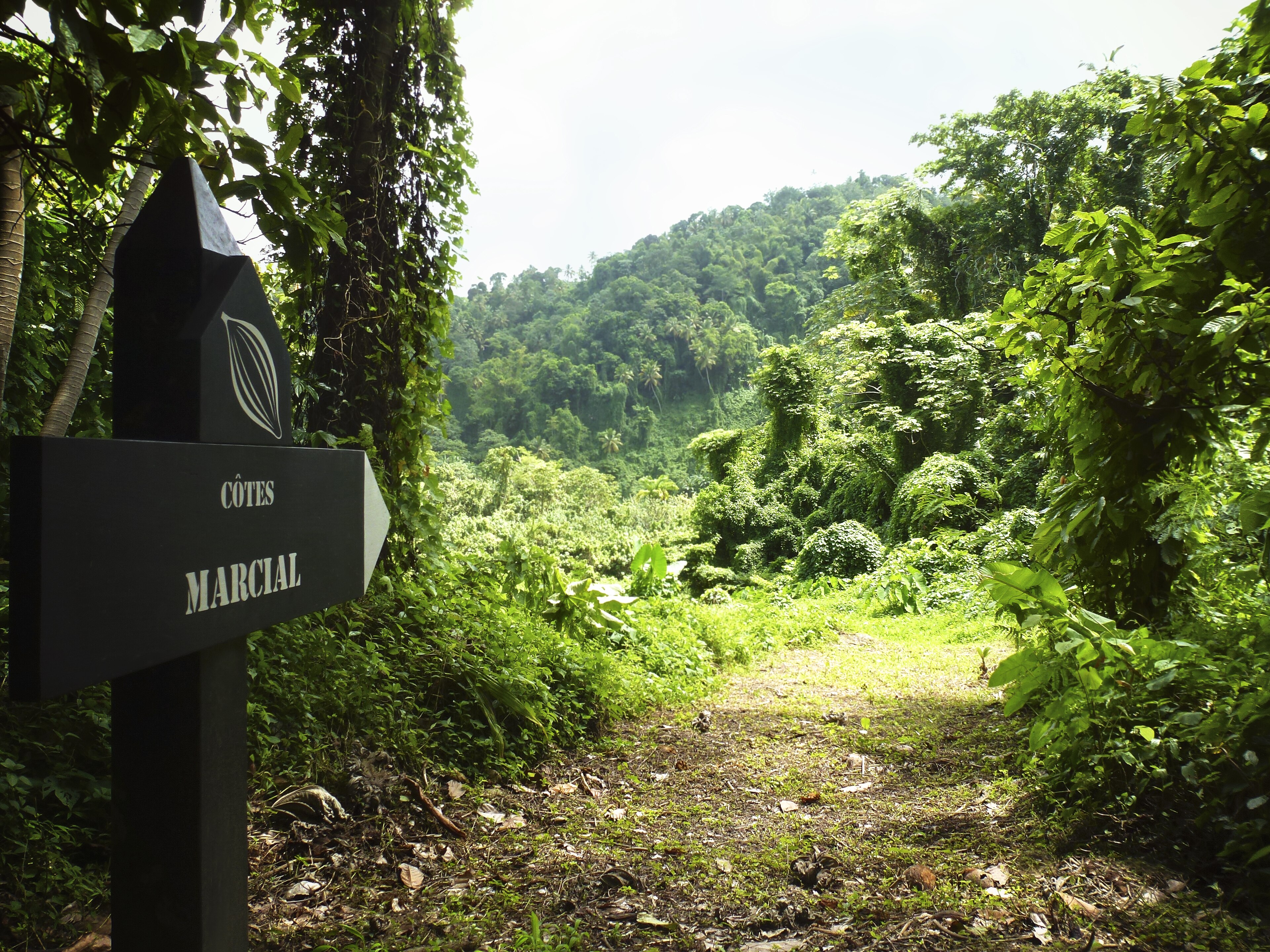
The Howelton Walk and Learn experience near Castries takes you through one of the oldest estates on the island, with storytelling about agriculture, Creole traditions and traditional plants. Tet Paul Nature Trail near Soufrière introduces local plants and farming on a guided walk with views of the Pitons.
Botanical gardens, including Diamond Falls, Mamiku and Maranatha, label many of their plants and are covered in our gardens and nature parks guide. For a broader cultural context, read the history and culture guide and the community tourism guide.
Buying and bringing home
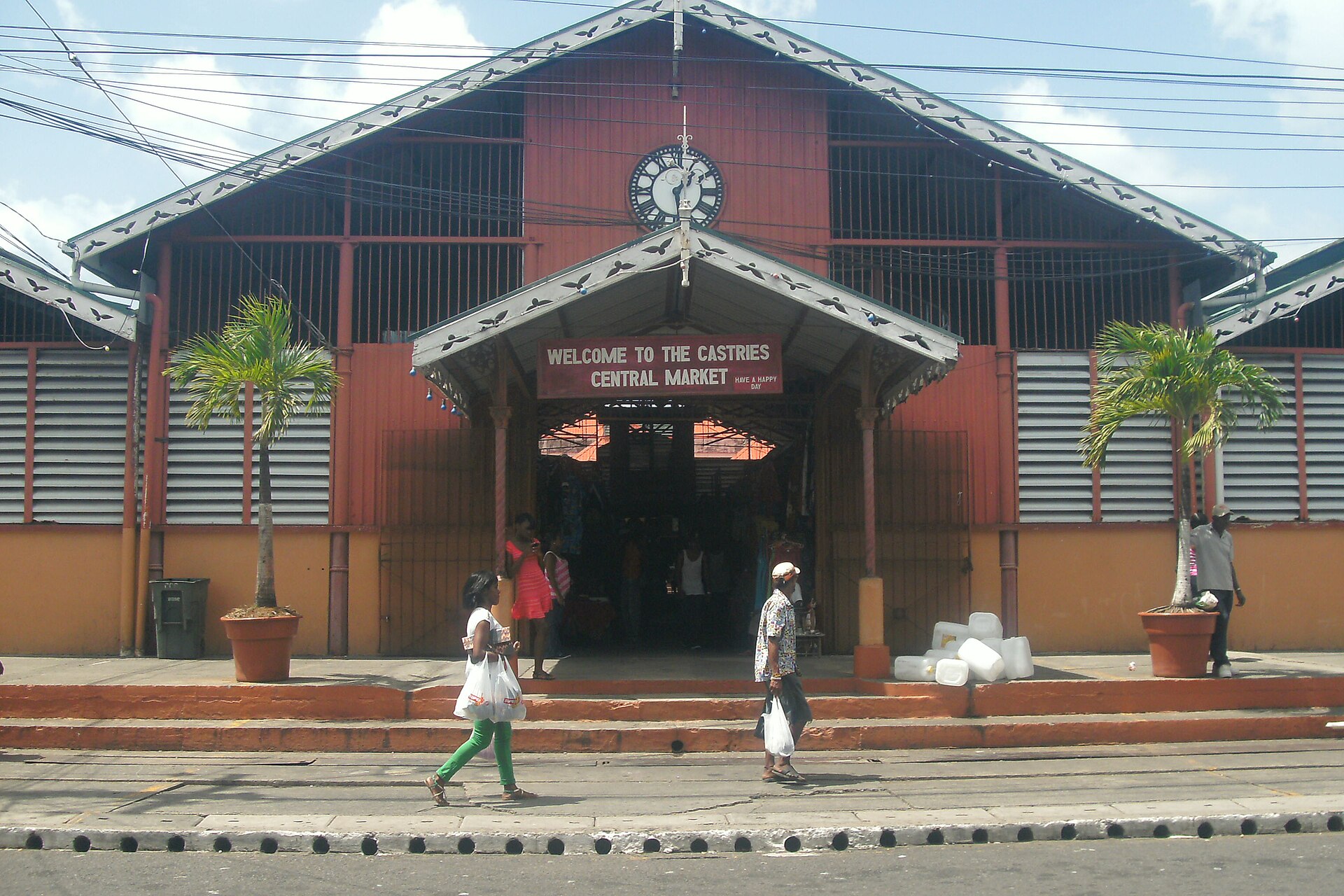
Markets are the easiest place to see herbs, spices and teas. The Castries market area is lively, and the artisan markets and crafts guide describes where to find handmade goods. Buy from stallholders who can tell you what each product is and how it is made.
Check your home country's rules before you bring plant material through customs, because many places restrict seeds, fresh plants and some dried herbs. Dried spices and packaged teas are usually simpler, and the shop local guide explains how to spend in ways that support small producers.
Fitting it into a trip
A morning walk with a guide, a stop in a garden and lunch featuring island herbs make an easy half day. It suits families, food lovers and anyone curious about how plant knowledge shapes everyday life. Early starts are cooler, and the drier months are the easiest for walking.
Pair the day with a visit to a cocoa estate, as described in our cocoa and chocolate guide, or follow our culture and local experiences itinerary for a longer plan.
Which local plants should I look out for in Saint Lucia?
In Saint Lucia look out for bay leaf, lemongrass, basil, moringa and noni, along with bush teas such as carpenter's bush and Santa Maria, which feature in island cooking, market stalls and garden tours. You do not need to travel far to find them. A walk through any village will show backyard plots of herbs, fruit trees and flowering shrubs, and the scent of crushed leaves is often the first clue to what is growing. Guides on the Tet Paul Nature Trail near Soufrière point out soursop, avocado, passion fruit and guava as well as traditional medicinal plants, all within a short loop.
Fruit and vegetables are part of the picture too. Market stalls pile up mangoes, bananas, oranges, breadfruit and plantain, and the fruits you see change with the seasons. The same trail includes a community garden that grows pineapples and other produce, and a small building called the Cassava House shows the tools once used to turn the root into flour, a reminder that cassava was a staple long before sugar and bananas dominated the economy. Ask a guide to name what you are looking at, and to give you the local name as well as the English one.
Cocoa deserves a mention. The trees grow with their pods hanging from the trunk and branches, and a visit to an estate is an introduction to a crop that has shaped the hills above Soufrière for generations. Our guide to cocoa and chocolate explains how beans become chocolate. For a wider picture of what grows where, the background article on agriculture and bananas shows how the island's farming has changed and why the plants you see in a garden often have a story attached.
Where can I learn about traditional plant use in Saint Lucia?
You can learn about traditional plant use in Saint Lucia on guided walks such as the Tet Paul Nature Trail near Soufrière, in botanical gardens like Diamond Falls, Maranatha and Mamiku, and at the Howelton Walk and Learn experience near Castries. Maranatha Gardens sit in the hills above Soufrière with tropical plants, rainforest trails and views of the Pitons, while Mamiku is one of the island's oldest botanical gardens and has walking paths among tropical plants and the ruins of a plantation. Each is a good place to ask questions of a knowledgeable guide.
Gardens are only part of the story. Markets, kitchens and village walks can teach as much, especially if you ask. A conversation with a stallholder about what a bush tea is called, how it is made and when it is drunk gives you more than any label could. Cooking classes are another route in, with cooks explaining how herbs go into stews, marinades and sauces. Our guides to Creole cooking classes and community tourism describe how to arrange experiences that put money directly into local hands.
Be a gracious guest. Ask before you photograph people or their gardens, do not pick plants in reserves, and respect the knowledge that is shared with you. Many families hold their plant lore as an inheritance, and some of it is private. If you are travelling with children, they often enjoy touching and smelling leaves under supervision, and a guide can tell you which are safe to handle. The rainforest and plant life article explains the wider habitat that all of these plants come from.
Is it safe to try bush tea and herbal remedies on holiday in Saint Lucia?
Bush tea is a pleasant cultural experience, but treat it as a drink rather than a remedy, and speak to a doctor first if you are pregnant, take medication or have a health condition. Herbal preparations that are part of a family tradition are not the same as tested medicine, and plants can interact with prescription drugs or cause reactions in people who are allergic. A cup of lemongrass tea with breakfast is a harmless pleasure for most people, but anything marketed as a cure deserves caution, and you should never replace medical advice with a stallholder's recommendation.
Take the same sensible approach you would with any unfamiliar food. Start with a small taste, avoid anything you are unsure about, and ask what is in a preparation before you buy it. If you have allergies, say so clearly, and carry any medication you need. Our guide to health, insurance and safety covers general precautions, and the notes in food and rum show what is typically served at the table. Most visitors find that the safest and most enjoyable way to meet local plants is on a plate or in a cup.
If you want to take something home, choose dried spices, packaged teas and cocoa products from reputable stalls and shops, and check your own country's rules on bringing plant material through customs, which are strict in many places. Buying from small producers is a good way to spend, and our guides to shopping local and farm to table tastings suggest where to start. A jar of spice or a bar of local chocolate brings back the flavour of a day far better than a souvenir that sits on a shelf.
Plants within a wider living culture
Plants here are tied to daily life and memory. The rainforest and plant life guide introduces the island's vegetation, and culture and traditions explains how knowledge is passed on.
The Kweyol page shows how many plant names live in the local language, and agriculture and bananas describes cultivated crops. Take it at your own pace and enjoy the discovery.
Where to stay and how to plan
Most visitors fit this into holidays to St Lucia, so choose your base first. Compare St Lucia hotels by area and style, and read our guides to luxury hotels in St Lucia and all inclusive resorts in St Lucia if you are choosing between a boutique stay and an all in package.
Then set your dates with the best time to visit St Lucia, book flights to St Lucia and pick days out from our St Lucia itineraries. Couples can also read about a honeymoon in St Lucia or weddings in St Lucia.
Questions travellers ask
What is bush tea?
Bush tea is a herbal infusion made from leaves and plants grown locally. It is a long-standing part of everyday life and culture on the island.
Is this guide medical advice?
No. It describes heritage and culture only. Speak to a doctor before using any herbal preparation, especially if you are pregnant or on medication.
What is Pimenta racemosa?
It is the tree that gives bay leaf, widely used in island cooking and herbal preparations and known for its strong, warm aroma.
Where can I learn about local plants?
Try the Howelton Walk and Learn experience, the Tet Paul Nature Trail and the botanical gardens near Soufrière and on the east coast.
Can I pick plants in gardens or reserves?
No. Please leave plants where they are, as picking can damage protected areas and breaks the rules of most gardens and reserves.
What is moringa?
Moringa is a tree known as the tree of life. Its leaves are used in teas and cooking in many tropical countries.
Can I take herbs and teas home?
Packaged teas and dried spices are usually fine, but check your home country's customs rules before you travel, particularly for fresh plant material.
What is the best way to see plants in context?
Take a guided walk. Guides explain local names, how plants are grown and how they feature in cooking and tradition.
What is bush tea in Saint Lucia?
Bush tea is a traditional infusion made from leaves and herbs such as lemongrass, Santa Maria or carpenter's bush. It is drunk as part of daily life and is best enjoyed as a cultural experience, not as medicine.
Can I take plants or herbs home from Saint Lucia?
Dried spices and packaged teas are usually the simplest to bring home, but rules on plant material vary by country and many restrict seeds, fresh plants and some herbs. Check your own customs rules before you buy.
Where is the best place to see local plants in Saint Lucia?
The Tet Paul Nature Trail and the botanical gardens around Soufrière are the best places, with guides who name plants and explain their uses. Markets in Castries also show herbs, spices and teas for sale.
Saint Lucia on the map
Saint Lucia lies in the Windward Islands of the eastern Caribbean, around 13.8830 degrees north, 60.9670 degrees west. Map data from OpenStreetMap contributors.
Ask Lucy about Local plants and traditional uses
Ask about places to stay, things to do, the weather or getting here.
Keep exploring Saint Lucia
Looking for the industry view? Visit St Lucia on VisitTravelGroup.com covers the destination for travellers and the tourism trade.
More from the Visit Travel Group network: VisitTravelGroup.com, Benidorm.co.uk, Anguilla.co.uk, TheRedSea.co.uk.