Itineraries
Culture and Local Experiences: A Five Day Itinerary for Saint Lucia
Saint Lucia's culture is best met in the market, at the fish fry and at the kitchen table, so this plan puts you among people and keeps the schedule loose.
How this plan works
The island's character comes from African, French, British and Caribbean threads that you can still taste, hear and see. This itinerary follows them: a capital with a market and colonial streets, fishing villages that move at their own pace, a hands-on day with food or cocoa, a night of music, and a slow finish. Many events depend on the day of the week, so check dates when you plan and keep your schedule flexible for spontaneous discoveries.
A good base is the north, near Rodney Bay or Castries, which puts you within an hour of nearly everything on this list. If you prefer a quieter stay, base yourself on the west coast and treat Castries as a day trip. The history and culture guide provides background, and the festivals and events page helps with timing.
Day 1: Castries, market and heritage
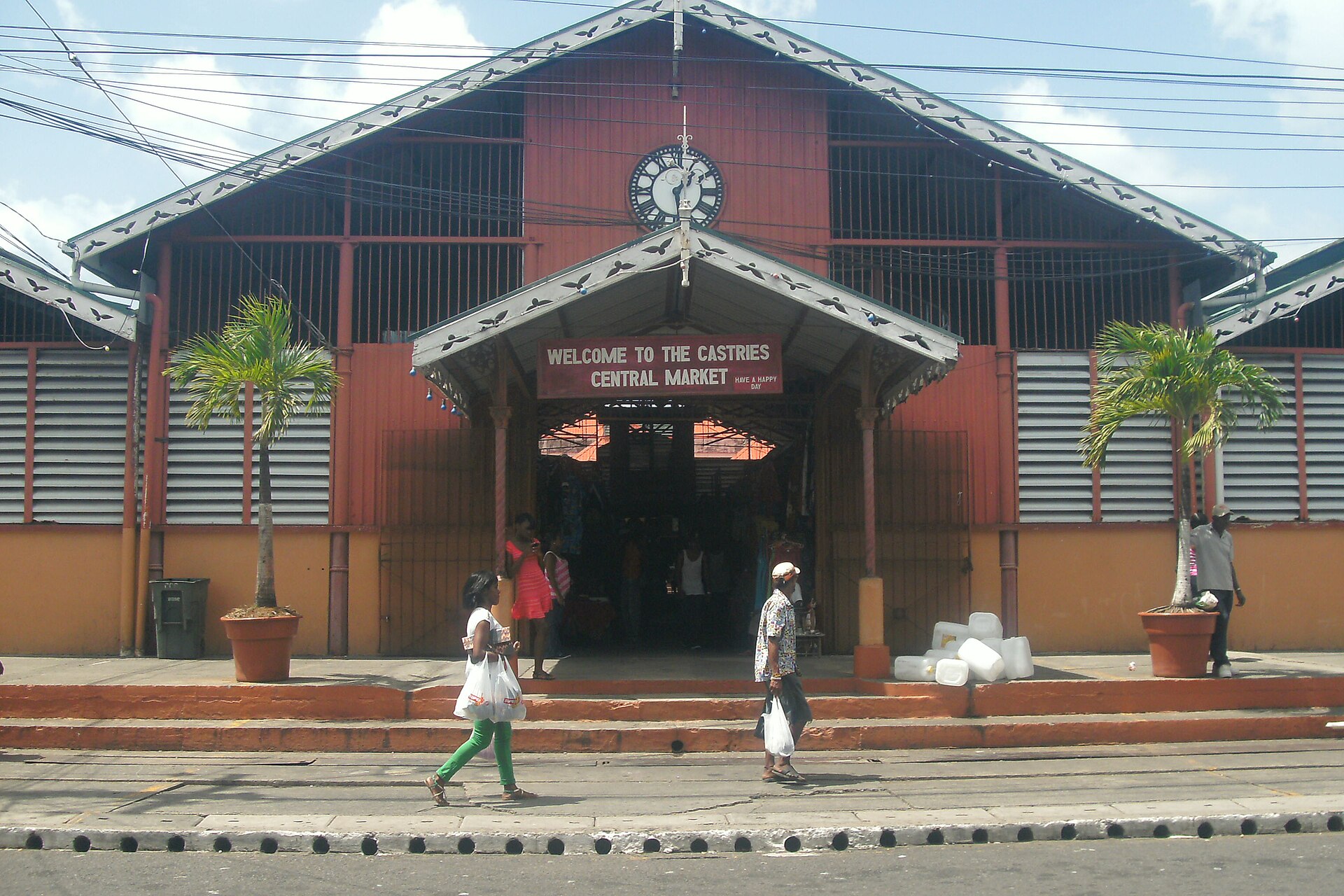
Start at Castries Market in the morning, when it is at its busiest, to see produce, spices, sauces, crafts and the chat between stallholders. Buy something to taste, such as fruit or a local snack. Then walk to Derek Walcott Square, shaded by an enormous samán tree and ringed by colonial buildings, and step inside the Cathedral Basilica of the Immaculate Conception for a calm contrast to the market noise.
Have lunch in town. Green fig and saltfish, Creole fish and fresh local juices are ideal choices. If energy allows, drive up Morne Fortune for the views and the story of the French and British struggle for the island. Our artisan markets guide and street food guide are useful before you shop. Rest option: spend the afternoon at the beach. Rain fallback: the cathedral, galleries and covered stalls.
Day 2: Coastal villages and traditions
Travel down the west coast to a fishing village such as Anse La Raye, around 45 minutes from Castries and about an hour and a half from Rodney Bay. Walk along the shore, watch boats and nets, and chat with people mending gear. The slower pace and coastal views are the main attraction. Have a relaxed lunch by the sea.
If your trip includes a Friday, this is the day for the Anse La Raye Fish Fry, when stalls grill fish and the street fills with music. Read the notes in our Anse La Raye guide and consider also the nearby village of Canaries, covered in our west coast guide. Rest option: swim at a quiet bay on the way home. Rain fallback: eat indoors and visit a craft shop.
Day 3: A hands-on experience
Today is for doing rather than watching. Choose a Creole cooking class, where you learn to prepare local dishes with ingredients from the market, or a cocoa and chocolate experience at an estate, where you see the beans, taste the products and learn how they are made. A guided heritage tour is another option. Our guides to Creole cooking classes and cocoa and chocolate explain what is available.
Local experiences are often guided, so book a day or two ahead. They also tend to be rainproof, which makes this a good day to plan for uncertain weather. Combine the morning activity with lunch made from your own cooking, and spend the afternoon resting or wandering. Our community tourism guide describes ways to meet local people respectfully.
Day 4: Music and community
If your itinerary includes a Friday, devote this day to the Gros Islet Friday Night Street Party, one of the most vibrant cultural moments on the island. Spend the day gently, and arrive in the evening with small notes of local currency and a plan for your taxi home. Eat from the grills, listen to the music and enjoy the street life, but keep your valuables close.
If it is not a Friday, look for a local music night, a rum shop conversation, a steel pan performance or a village event. October brings Creole Heritage Month, with music, dance and cooking across the island. Our bars and nightlife guide and rum and local distilleries page suggest where to go. Rest option: take the morning off and nap after lunch.
Day 5: Slow and authentic
Return to a favourite place, or explore a craft village. The Choiseul Arts and Crafts Centre on the southwest coast shows pottery, baskets and carvings made by local artisans, and buying there supports the community directly. If that is too far, shop at the market or a craft stall near your hotel, and take time over a coffee or a seaside lunch.
This is a day to let the island come to you. Read our Choiseul guide if you want a longer drive, and the shop local guide for ideas on spending well. Rain fallback: a craft centre is perfect in wet weather. Finish with a quiet dinner and a walk by the water.
Rain, rest and flexibility
Markets and street events are best experienced in the morning or evening, so keep midday for rest. Dress comfortably and casually, and carry a light waterproof layer. If a day is wet, swap in the cooking class or the craft centre. Our rainy day ideas has more indoor suggestions.
Weekends bring the most cultural events, and Fridays are the liveliest, so be flexible about the order of days. If you have extra time, add the family fun itinerary for a lighter beach day, or the iconic Saint Lucia itinerary for the big sights.
Practical tips for this itinerary
Carry Eastern Caribbean dollars in small notes for the market and street food, and ask before taking photographs of people. Greet people warmly, because a good morning goes a long way. Use licensed taxis after dark and agree fares in advance, as explained in the money and tipping guide.
Check current times for markets, centres and events, since days and hours change. Book classes ahead, and arrive hungry. Respect local customs and dress sensibly in the town and in churches, as the responsible travel guide suggests.
How do I find authentic culture on a Saint Lucia holiday?
You find authentic culture on a Saint Lucia holiday by visiting local markets, eating where residents eat, joining community events, taking classes with local teachers and learning a few words of Kwéyòl, since the island's character lives in everyday life rather than in staged shows. Castries Market, village fish fries and church services all offer glimpses. Our history and culture guide explains the main threads of the island's heritage, from its first peoples to the French and British contest for the island and the Creole culture that grew from it, and which still shapes the food, music and speech you will hear.
Choose experiences run by local people. Community tourism projects, craft workshops and guided village walks allow you to meet makers and cooks, and your spending supports them directly. Our community tourism page describes options. Ask questions, listen to stories and avoid treating people as attractions. Many Saint Lucians love to talk about food, music and family, and a genuine interest is welcomed. A conversation over a plate of food will teach you more about the island than an hour in any museum, and it will probably end with an invitation to try something else, or a recommendation for a place you would never have found alone.
Language is a bridge. English is widely spoken, but Kwéyòl, the island's French-based Creole, is the language of many homes and songs. A simple greeting delights people. Our Kwéyòl guide gives a few phrases. Respect also means dressing modestly in villages, asking before photographs and thanking people. Culture is not a performance but a relationship, and you build it by showing up and paying attention, returning to the same market stall or bar and becoming, over a week, a familiar face rather than a passing stranger, which is when people really begin to share their stories.
Which local food and music should I include in a culture itinerary?
A Saint Lucia culture itinerary should include green fig and saltfish, the national dish, a Friday night fish fry at Anse La Raye or the street party at Gros Islet, local rum and cocoa, and live music that might range from folk to jazz to steel pan. Eating is one of the most direct ways to meet the island. Our food and rum guide introduces the dishes and drinks, with advice on choosing busy stalls, trying a little of everything and pairing local rum with the rich flavours of Creole cooking, which is built on herbs, garlic, chilli and fresh fish from the morning's catch.
Music runs through island life. Folk songs, drumming, dance and festival bands tell stories of history and community. Our music and dance guide explains the traditions. If you can, time your visit for a festival, and join the crowd with an open mind. Even without a festival, bars and restaurants often host live music at weekends, and a quiet evening listening to local musicians can be more memorable than a lavish show, especially if you stay long enough to hear the room join in the chorus and see the dancing begin in the corner of the room.
Add a hands-on element. A cooking class lets you cook with local ingredients and learn the stories behind them, as our Creole cooking classes guide describes. A rum tasting explains the island's sugar heritage. Together, food, drink and music give a taste of the culture that guidebooks cannot match. Share what you learn with friends at home, and you carry the island with you, and perhaps cook green fig and saltfish on a grey British morning to remember the warmth of the place you visited and the people who taught you how to prepare it.
How can I time a Saint Lucia culture itinerary around markets and festivals?
To time a Saint Lucia culture itinerary around markets and festivals, visit Castries Market on a weekday morning, plan a Friday evening in Anse La Raye or Gros Islet, and check dates for events such as the jazz festival, carnival and the Creole flower festivals in late August and October. La Rose is celebrated on 30 August and La Marguerite on 17 October, and October is also associated with Creole heritage celebrations. Our festivals and events page lists the main dates, which are worth checking before you book flights, because a festival can transform an ordinary week into one you will talk about for years.
Markets are best early, when produce is fresh and vendors have time to talk. Bring small notes and a bag. Our artisan markets and crafts guide describes where to find quality work. Street parties begin in the evening and run late, so plan a rest in the afternoon and arrange transport home. Eat before you go if you are not sure what to order, and carry only the cash you need, leaving valuables at the hotel so that you can enjoy the music with a clear mind and without worrying about your phone, your wallet or your bag.
Be flexible. Events can change, and weather can interfere. Ask your hotel about local happenings, and read community noticeboards. If your dates do not match a major festival, village events, church services and sports matches offer a different view of island life, and cricket in particular is a passion that unites many islanders. Whenever you visit, culture is there if you look, in the rhythm of a morning market, the chatter in a rum shop or the harmonies drifting from a church on a Sunday, and the more openly you listen, the more you will hear.
The traditions behind each stop
Cultural days are richer with a little preparation. Culture and traditions sets the scene, while music and dance and languages and Kweyol explain what you will hear.
For the written side of island life, read literature and Nobel laureates, and for places to visit, see heritage and historic sites.
Choosing a hotel for this itinerary
Most visitors fit this into holidays to St Lucia, so choose your base first. Compare St Lucia hotels by area and style, and read our guides to luxury hotels in St Lucia and all inclusive resorts in St Lucia if you are choosing between a boutique stay and an all in package.
Then set your dates with the best time to visit St Lucia, book flights to St Lucia and pick days out from our St Lucia itineraries. Couples can also read about a honeymoon in St Lucia or weddings in St Lucia.
Questions travellers ask
When is the best time to visit Castries Market?
Go in the morning, when the market is busiest and fruit, spices and crafts are at their freshest. Weekdays and Saturdays are lively.
What is the Friday night street party?
It is a weekly party in Gros Islet with grilled food, loud music and street energy, and it has been going for more than fifty years.
Can I do a cooking class on a short trip?
Yes. Many classes last a morning and often begin with a market visit, so book a day or two ahead and arrive hungry.
Is Anse La Raye worth visiting outside Friday?
Yes, for a relaxed look at a fishing village, though the Friday fish fry is when the street is liveliest.
How should I dress for cultural visits?
Dress comfortably and casually, but cover shoulders and knees for churches and towns, and wear sandals or shoes suited to market paving.
Where can I buy genuine local crafts?
Visit Castries Market or the Choiseul Arts and Crafts Centre, where makers sell pottery, baskets, carvings and other handmade work.
Is this itinerary suitable for families?
Mostly yes. The market, villages and cooking class suit older children, while the street party is better for adults or teens.
What is Creole Heritage Month?
It is held in October, with Kwéyòl language, music, dance, food and madras dress, and it ends with Jounen Kwéyòl.
When is the Friday night street party in Gros Islet?
It takes place on Friday evenings, with food, music and crowds. Go in the evening, take cash and arrange transport home, because the party continues late and taxis are busy.
Is Kwéyòl a separate language?
Yes, it is a French-based Creole spoken widely alongside English. Learning a greeting is warmly appreciated, and most people will happily teach you a few more words.
What should I wear to visit a village or church?
Dress modestly with covered shoulders and knees away from the beach, and remove hats in church. Smart casual is respectful, and it helps you feel comfortable among the congregation.
Saint Lucia on the map
Saint Lucia lies in the Windward Islands of the eastern Caribbean, around 13.8830 degrees north, 60.9670 degrees west. Map data from OpenStreetMap contributors.
Ask Lucy about Culture and local experiences
Ask about places to stay, things to do, the weather or getting here.
Keep exploring Saint Lucia
Looking for the industry view? Visit St Lucia on VisitTravelGroup.com covers the destination for travellers and the tourism trade.
More from the Visit Travel Group network: VisitTravelGroup.com, Benidorm.co.uk, Anguilla.co.uk, TheRedSea.co.uk.