Things to do
Helicopter Tours and Transfers in Saint Lucia
Ten to thirty minutes in the air shows you more of Saint Lucia than a day in the car. Here is what the flights cover and how to plan one.
Why fly
Saint Lucia is small, steep and winding, and many of its best sights are separated by slow mountain roads. From a helicopter the whole island opens out at once: the two volcanic peaks, the folds of green rainforest, the reefs and the long curve of the coast. Flights are short, so even people who are wary of heights tend to enjoy them.
Flying is also useful, not just scenic. The main airports sit at opposite ends of the island, and the transfer by road can take a good part of the day. Helicopters change that, and they suit anyone who wants to save time or mark an occasion.
The north island route
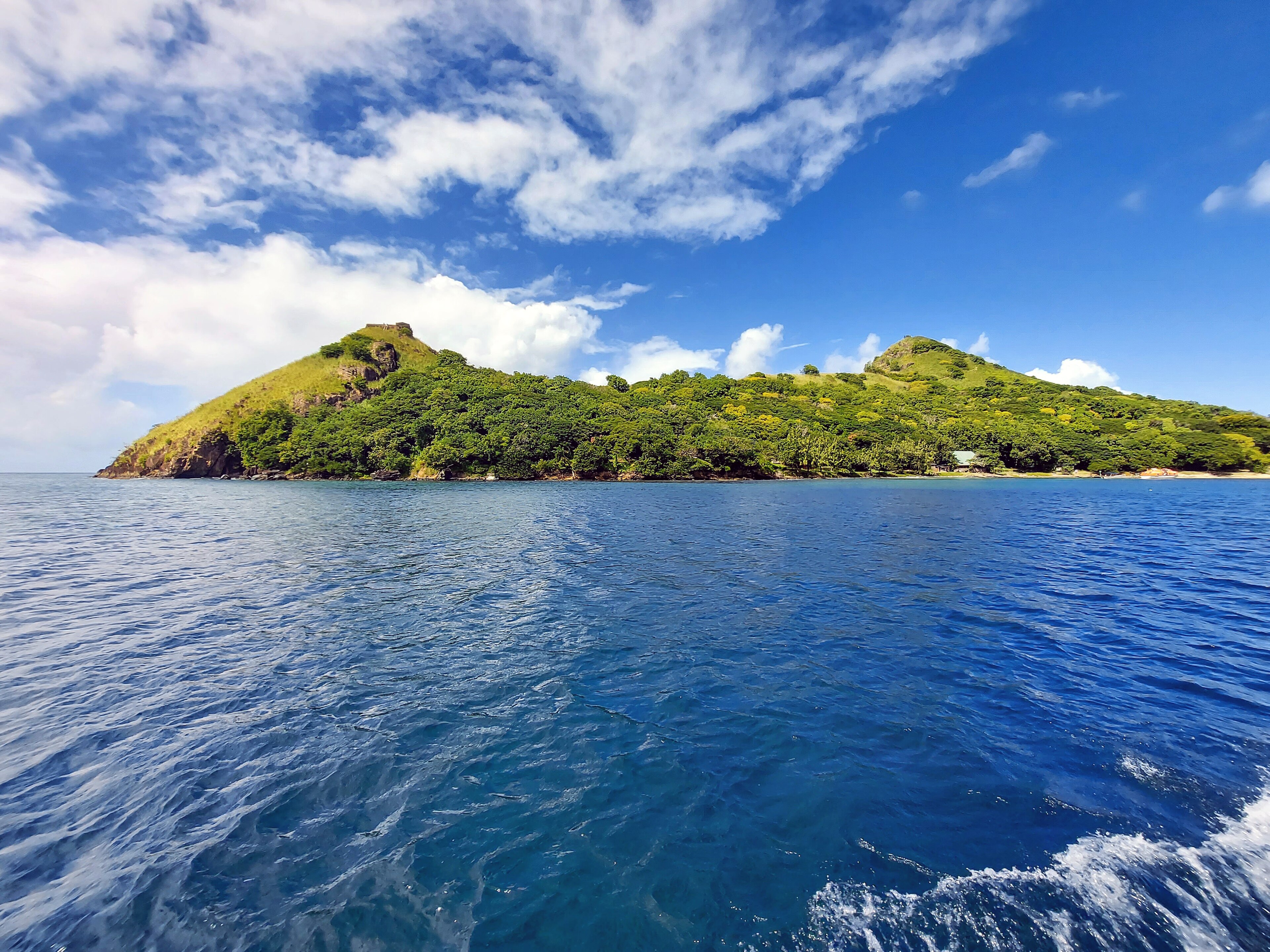
The northern flight follows the coast over hidden coves, beaches and bays, taking in the Atlantic side and the headland around Pigeon Island National Landmark. Pilots describe the landmarks as you pass, so you learn which bay is which and where the island's fishing villages sit. It is a relaxed, gentle introduction to the landscape.
This route pairs well with a stay in the north, and it shows you the places that you may later visit on foot or by boat. If you are based around Rodney Bay, it is the easiest flight to fit into a morning or late afternoon.
The south island route
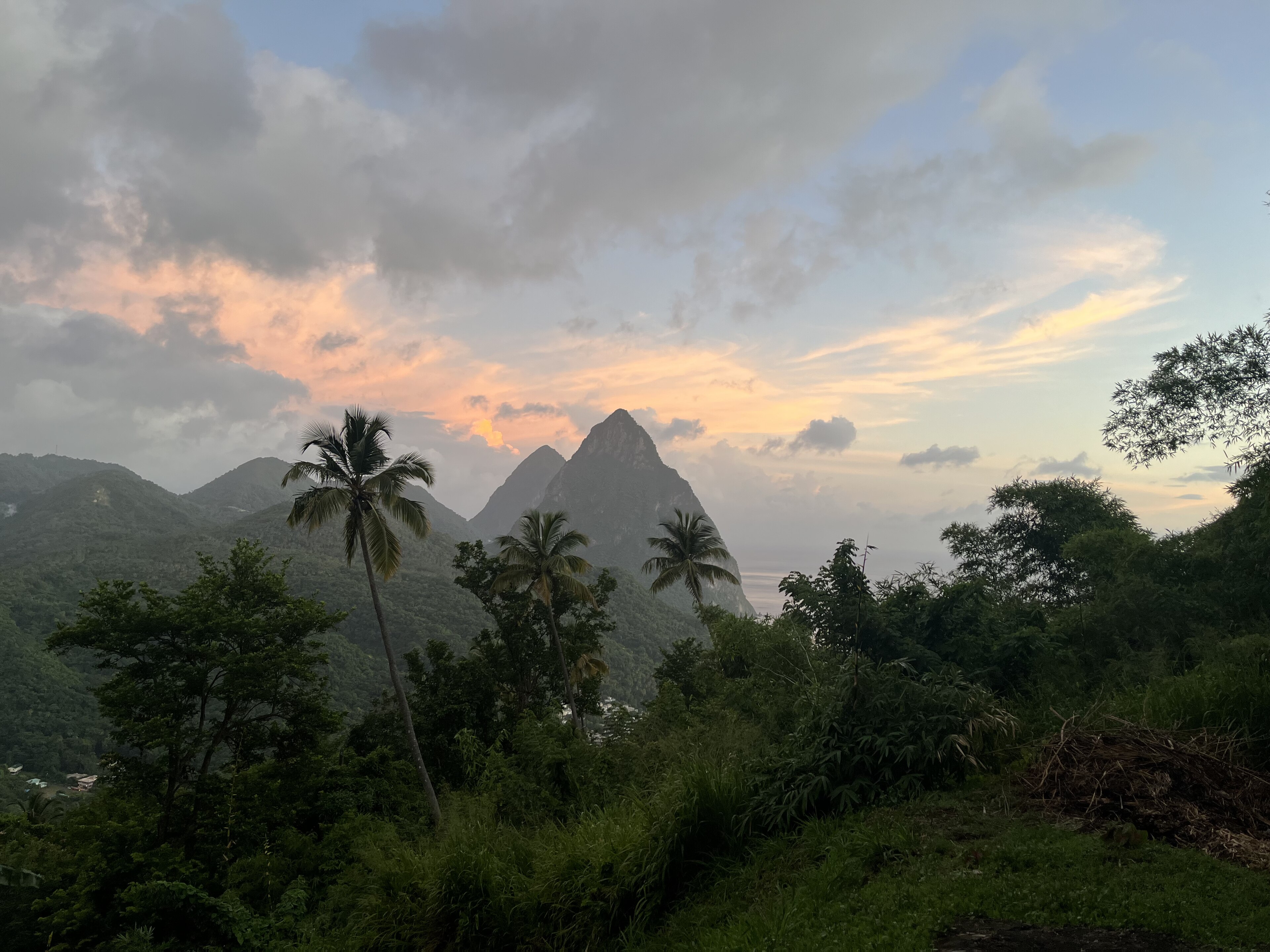
The southern flight is the dramatic one. It glides over the Pitons, the forest canopy, coral reefs and waterfalls, and flights can run low enough that you feel part of the view. Pitons seen from above give you a sense of how steep and narrow the peaks are, which is useful if you are thinking about the climb described in our Pitons guide.
The flight passes over the part of the island where the Sulphur Springs, Soufrière and the rainforest all sit close together, so it makes a fine orientation before a day of exploring on the ground. Some operators offer a full island option that combines north and south.
Photography flights and transfers
If you want pictures, ask about a photography charter. These are dedicated flights with a route agreed in advance, and they can include doors-off options and time hovering over a chosen subject. Golden hour is the favourite time, when the light brings out the colours of the volcanic landscape. Professionals, couples and anyone chasing a particular shot of the Pitons will get the most from one.
Helicopter transfers move you between Hewanorra at Vieux Fort and the Castries airport in under fifteen minutes, compared with around ninety minutes by road. You land close to your resort, which is a real advantage after a long flight. Our getting here guide explains the airports, and where to stay helps you choose the right base.
What to expect on the day
Flights last roughly ten to thirty minutes depending on the route, and each helicopter takes up to six passengers. Flying is daytime only, so there are no flights after sunset. You will be given a safety briefing and asked about your weight and any health conditions, and you should follow the pilot's instructions on boarding and movement near the aircraft.
Wear secure, comfortable clothing, bring sunglasses, and keep loose items zipped away. A camera with a strap is better than a phone held loosely. Check current availability, routes and prices with the operator, because they vary, and expect some flexibility if weather is poor.
- Book ahead in the busy winter months, especially for sunset-timed slots.
- Ask about window and door options when you reserve.
- Leave a little room in your schedule in case of weather delays.
Best season and combining the flight
Visibility is generally good in the drier months, and clouds can gather over the high ground on wetter days. Our best time to visit guide explains the seasons. Mornings often give the clearest air, while late afternoon light is kinder for photographs.
A flight makes a good treat on a honeymoon, as set out in weddings and honeymoons, and a good start to a trip that continues by sea. Pair it with a boat trip for the same landscape from another angle, or look through our iconic Saint Lucia itinerary for ideas.
What do you see on a helicopter tour of Saint Lucia?
On a helicopter tour of Saint Lucia you see the Pitons, the Val des Pitons, the rainforest, the reefs and the coastline from above, with the pilot naming each landmark as you fly. A helicopter flight turns the map into something you can understand at a glance. From the air, the two Pitons stop looking like a postcard and start looking like what they are, the surviving plugs of an old volcano, standing apart from the ridges behind them and dropping straight into the sea. The valley between them, where several resorts sit among the trees, shows how little flat land there is, and why so many buildings are perched on hillsides. Close to the town of Soufrière, you can pick out the pale, scarred ground of the geothermal area, which looks quite different from above than it does on foot and makes more sense of the steam you may smell later in the day.
The colours do much of the work. Rainforest shows in layers of green, from the dark crowns of the tallest trees to the lighter plots of banana, coconut and cocoa on the lower slopes. Along the coast, the reefs appear as pale patches in the deeper blue, and the black and grey sand of the volcanic beaches stands out against the lighter strands further north. Pilots narrate as they fly, so you learn which bay is which, where the fishing villages sit and how the rivers run down to the sea. Many passengers say the flight is the first moment the island feels like one connected place rather than a series of separate stops.
It also changes how you think about the rest of your trip. After a flight you know which ridge is the one you plan to hike, which bay has the reef you want to snorkel and how far apart the north and south really are. That knowledge is useful when you are choosing between a long drive and a shorter day, and it makes the road journeys that follow more enjoyable because you can see in your mind what lies beyond each bend. If you are the sort of traveller who likes to understand the lie of the land, fly early in the week.
Who should book a helicopter flight in Saint Lucia?
A helicopter flight in Saint Lucia suits couples, families with older children, less mobile travellers and anyone short of time, though you must be able to meet the operator's weight and health requirements. A scenic flight suits an unusually wide range of people. Couples marking an anniversary or a honeymoon in Saint Lucia often choose it as the one extravagant moment of the holiday, and families with older children enjoy it because it is short enough to hold attention and dramatic enough to be remembered. Walkers who have struggled up a trail can enjoy the same mountains without the effort, and travellers with limited mobility, who might otherwise miss the interior, can see it all from a seat. Nervous flyers sometimes enjoy it more than they expect, because the flights are brief and the pilot explains what is happening throughout.
Preparation is straightforward. Flights run in daylight only, and each aircraft carries a small group, so you will be asked for your weight and any health conditions when you book, and you will receive a safety briefing before you board. Wear comfortable clothes that will not flap in the downdraught, flat shoes, and sunglasses with a strap if you have one. Cameras should be fixed to your wrist or neck, and phones are best held with both hands. If you plan to film, ask the operator which seat gives the clearest view, as the position of the window can make a real difference to your photographs.
Think about timing too. Mornings often bring the clearest air, while late afternoon light flatters the volcanic landscape and gives warm tones to the forest. Cloud can gather over the high ground, particularly in the wetter months, so book a flight early in your stay and keep a spare day in reserve in case the weather turns. Visitors arriving by ship with only a short time ashore should read our guide to cruise arrival before committing, because the schedule needs to leave comfortable margins for returning to the vessel.
How do I fit a helicopter tour into a Saint Lucia holiday?
Fly in the morning, then spend the afternoon on the ground exploring what you saw: the south island route pairs with Soufrière and its springs, and the north island route pairs with Rodney Bay and Pigeon Island. The best way to use a flight is to treat it as the opening of a day rather than the whole of it. Fly in the morning, and then spend the afternoon on the ground exploring the places you have just seen from above. A south island route pairs well with a visit to the springs and gardens near Soufrière, and a guided drive along the coast on one of our land tours lets you stop at the viewpoints you glimpsed from the air. For something more athletic, the hiking and rainforest trails feel more purposeful when you have already seen the shape of the forest below.
A north island flight suits a different rhythm. Its views of coves and beaches along the Atlantic side make a natural prelude to an afternoon on the sand or a stroll around the historic landmark at the top of the bay. Because the flight is short, it fits easily before lunch, and the area around Rodney Bay has no shortage of places to sit down and talk through what you saw. If you are travelling with a group, ask whether a combined option is available, as full island flights allow everyone to see both coasts without separate bookings.
Transfers deserve a mention too. The road journey between the two airports on the island is long and winding, and many guests arrive tired after a transatlantic flight. A helicopter transfer replaces much of the drive with a short flight, drops you close to your resort and doubles as an introduction to the island. If that appeals, read our guide to getting here to see how the airports fit together, and compare the cost with the value of your time. Either way, confirm availability, routes and current terms with the operator, as these change with the season.
The island from above
Seen from the air, the island's structure is clear. The geography guide explains the ridges and valleys below you, and geology and volcanoes tells how they formed.
You will also see forest and coastline described in rainforest and plant life and conservation and protected areas, while districts and towns helps you name what you spot.
Where to stay and how to plan
Most visitors fit this into holidays to St Lucia, so choose your base first. Compare St Lucia hotels by area and style, and read our guides to luxury hotels in St Lucia and all inclusive resorts in St Lucia if you are choosing between a boutique stay and an all in package.
Then set your dates with the best time to visit St Lucia, book flights to St Lucia and pick days out from our St Lucia itineraries. Couples can also read about a honeymoon in St Lucia or weddings in St Lucia.
Questions travellers ask
How long is a helicopter tour in Saint Lucia?
Flights run from about ten to thirty minutes depending on the route you choose, so they fit easily around other plans.
Which routes are available?
There is a north island tour, a south island tour over the Pitons and rainforest, and a full island flight that combines both.
How many people can fly together?
Each helicopter takes up to six passengers, so couples, families and small groups can usually fly together.
Can I fly after dark?
No. Flights operate in daylight only, so there are no flights after sunset. Book a late afternoon slot for golden light.
How much faster is a helicopter transfer?
The road between Hewanorra and Castries takes around ninety minutes, while the helicopter does it in under fifteen minutes.
Can I take photographs from the helicopter?
Yes, and a dedicated photography charter can be arranged with a custom route and options such as doors off. Ask the operator.
Is a helicopter tour suitable for nervous flyers?
Many people find the short flights calming, but tell the operator about any worries and follow the pilot's advice on the day.
Do I need to book in advance?
Booking ahead is wise, especially from December to April, and you should confirm routes and prices directly with the operator.
Is a helicopter tour in Saint Lucia worth it?
Yes, if you want to see the Pitons and the rainforest quickly or are short of time. Flights are brief, the pilot narrates, and the south island route is the most dramatic. Ask about the best seat when booking.
Can I take a helicopter transfer to my hotel in Saint Lucia?
Yes, transfers run between the two airports and can land close to a resort. Check whether your hotel has a landing arrangement and confirm timing with the operator before you travel.
Are helicopter flights suitable if I dislike heights?
Often yes, because the flight is short and the pilot talks throughout. Tell the operator about any worries when you book so they can advise on the most comfortable route.
George F. L. Charles Airport on the map
George F. L. Charles Airport is at 14.0198 degrees north, 60.9948 degrees west. Map data from OpenStreetMap contributors.
Ask Lucy about Helicopter tours
Ask about places to stay, things to do, the weather or getting here.
Keep exploring Saint Lucia
Looking for the industry view? Visit St Lucia on VisitTravelGroup.com covers the destination for travellers and the tourism trade.
More from the Visit Travel Group network: VisitTravelGroup.com, Benidorm.co.uk, Anguilla.co.uk, TheRedSea.co.uk.