Itineraries
Iconic Saint Lucia: A Five Day Itinerary for the Island's Greatest Sights
Five days is enough to see the sights everyone talks about without feeling you have been herded between them, as long as you spread the busy days out.
How this plan works
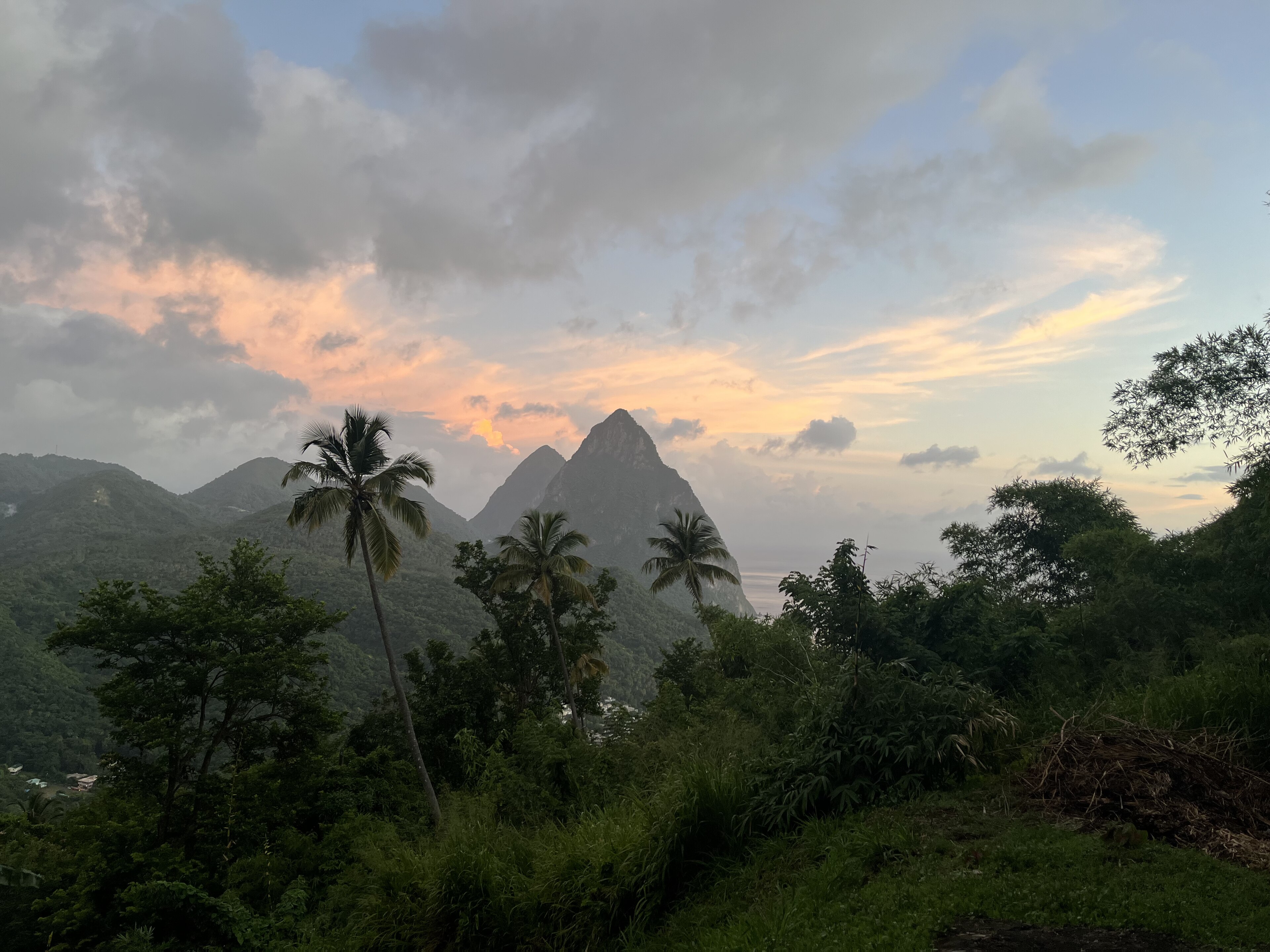
This itinerary is built around the island's famous landmarks: the Pitons, the volcano at Sulphur Springs, a waterfall, a beach between the peaks, a sheltered bay and the capital. They are spread along the west coast, so the plan alternates a heavy sightseeing day in the south with a lighter day in the north, which keeps tiredness at bay. It suits first-time visitors, couples and small groups who like to see the main sights at an easy pace.
For a base, spend your first night in the north near Rodney Bay, then move to the Soufriere area for nights two and three, and finish the trip at Marigot Bay or back in the north.
If you prefer to unpack once, a single base in the north works, but the Soufriere days become long. Our where to stay guide compares the options, and the how many days guide helps with timing.
Day 1: Settle into Rodney Bay
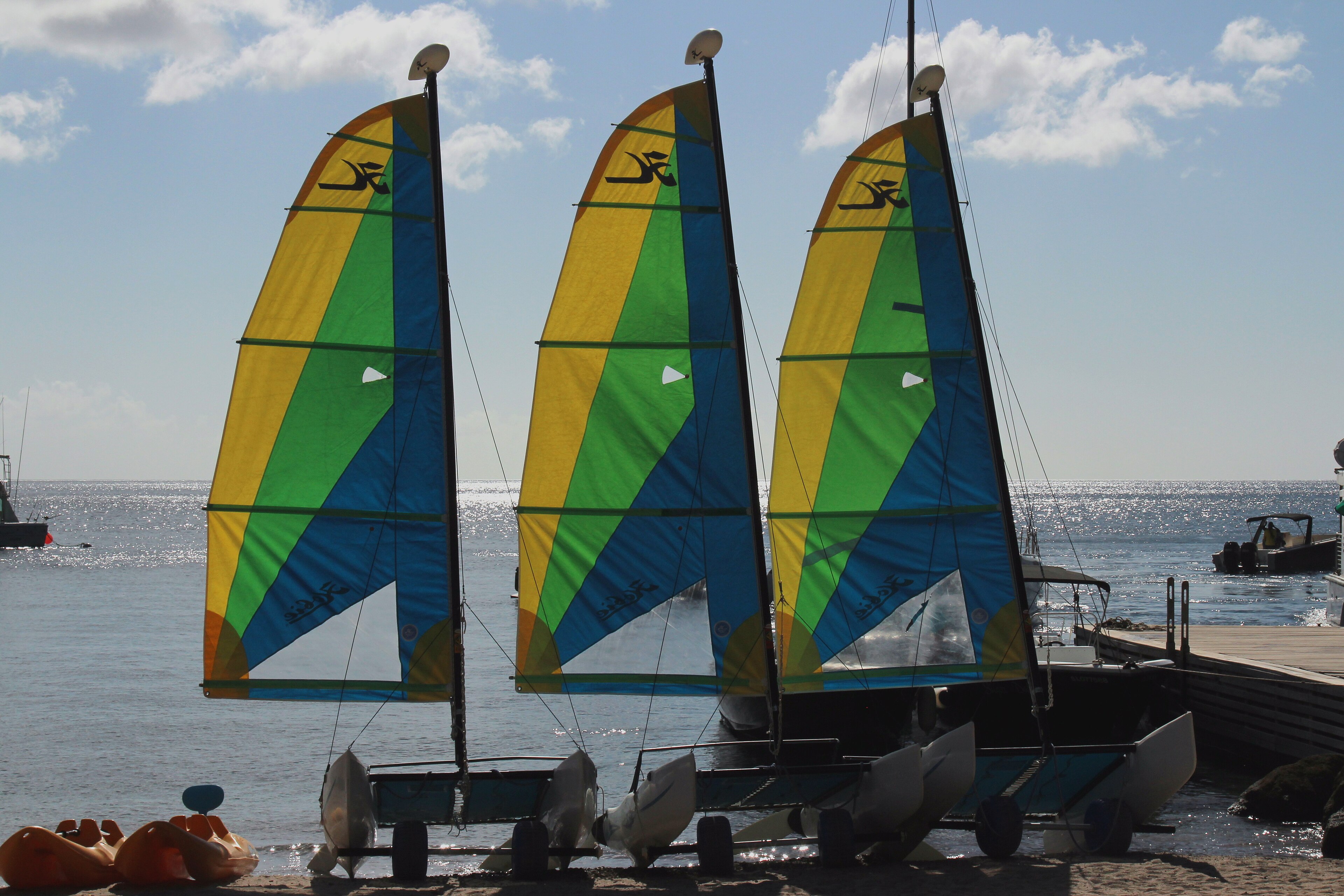
Arrive and take it easy. If you land at Hewanorra Airport, the drive north takes up to two hours, so treat this as a travel day. Spend the late afternoon on Reduit Beach, where the water is calm and shallow, then stroll to the marina for a sunset drink and an early dinner. Everything is within walking distance, which makes this the gentlest possible start.
Rest option: do nothing but swim and eat. Rain fallback: browse the shops and restaurants around the marina, or book a spa treatment at your hotel. Our north Saint Lucia guide gives more ideas, and the getting around guide explains taxis.
Day 2: Soufriere, Sulphur Springs and Sugar Beach
Leave early, because the drive from Rodney Bay to Soufriere takes around an hour and a half to two hours on a winding road. Begin with the Tet Paul Nature Trail, an easy walk through farmland with views of both Pitons, and a good alternative if you do not want a strenuous climb. Then visit Sulphur Springs, the drive-in volcano, where steaming vents and bubbling pools sit beside mineral mud baths, followed by the short stop at Toraille Waterfall. See our Sulphur Springs guide and waterfalls and gardens page.
Lunch in Soufriere village, then spend the afternoon at Sugar Beach, where white sand and calm water sit between the peaks. It is one of the most photographed spots on the island. This is the most activity-heavy day, so consider hiring a driver or booking a guided tour, as described on our land tours page. Rain fallback: Diamond Botanical Gardens and a cocoa tour at a nearby estate.
Day 3: The Pitons at your own pace
Choose your effort level. The energetic option is the Gros Piton hike, which should be started early with a guide and plenty of water. Our Gros Piton hike guide explains what to expect. The relaxed option is a morning at viewpoints, followed by a boat trip along the coast to see both peaks from the sea, with a swim stop, as described in sailing and boat trips.
Afternoon is for recovery. Spend it at Anse Chastanet, where dark sand meets a protected reef and the snorkelling is excellent, or at the pool of your hotel. Evening can be a long dinner with a view. Rain fallback: a mud bath and spa session, as outlined on our spa rituals page. Journey time to your next base is about an hour to Marigot Bay.
Day 4: The west coast and Marigot Bay
Drive north slowly, with stops at the viewpoints along the west coast and at fishing villages such as Anse La Raye. Marigot Bay is around an hour from Soufriere, and it is a lovely place for a long lunch beside the water. The bay is a natural harbour that has sheltered ships for centuries and appeared in films, and a small ferry takes you across to the far side.
Spend the afternoon on a boat trip, a paddleboard or a quiet swim, then enjoy sunset over the bay. A catamaran cruise is an ideal way to end the day, as explained on our catamaran sunset cruises page. Rest option: an unscheduled afternoon by the water. Rain fallback: lunch on the covered waterfront and a visit to a gallery or shop. See our west coast guide for the road in more detail.
Day 5: Castries, culture and Pigeon Island
The final day is for culture. Marigot Bay to Castries takes about 20 to 30 minutes. Start at Castries Market while it is busy, then walk to Derek Walcott Square and the cathedral, and consider the view from Morne Fortune. Our Castries guide lists what to see. Have lunch in town, where green fig and saltfish and Creole fish are good choices.
In the afternoon, head north to Pigeon Island for an easy walk, views and a last swim, and return to Rodney Bay for a farewell dinner. If it is Friday, add Gros Islet's street party after dark. Rain fallback: spend longer in the market and museum-style stops, and have a long lunch. The Pigeon Island guide has trail details.
Rain, rest and flexibility
Showers on the west coast usually pass in under an hour, and the Pitons often clear again by afternoon. If a day is wet, swap it with a lighter day, or choose indoor options such as the market, a cocoa estate or a spa. Our rainy day ideas has more suggestions. If you need extra rest, drop the Tet Paul trail or the waterfall, and keep only the beach.
Keep one empty evening for a long dinner, and do not try to do the Pitons, Sulphur Springs and a boat trip in a single day. If you have a seventh or eighth day, add the nature and rainforest itinerary or a beach day from the sea and beach itinerary.
Practical tips for this itinerary
Start early on the Soufriere days, carry water and sun protection, and wear shoes with grip. Book guides and boat trips a day or two ahead, and check current opening times for each attraction. Cash in Eastern Caribbean dollars helps at small stops, as the money and tipping guide explains. Agree taxi fares and currency before you set off.
The best months for settled weather are December to April, though the plan works in every season with a flexible mind. Read the best time to visit guide for more detail, and keep your insurance up to date for activities such as hiking and boat trips.
Is it worth staying in two places for the iconic Saint Lucia itinerary?
For the iconic Saint Lucia itinerary, staying in one northern base and making one long day trip south is simpler, but spending a few nights near Soufrière is worth it if you want sunrise and sunset beside the Pitons. The five day plan works from Rodney Bay, yet many visitors say the most memorable hours come from being in the south in the early morning or evening, when the day trippers have gone and the peaks glow. Our Soufrière guide describes what the area offers after the buses have left, from quiet beaches to restaurants with a view of the water, and why a night or two there changes the feel of the whole holiday.
If you do split your stay, give the south at least two nights so that the transfer does not dominate. Arrive in time for a swim and an early dinner, rise for a morning hike or a boat trip, and spend your second day on the springs, gardens and a cocoa estate. Then return north or head to the airport at your own pace. Our Sugar Beach and Jade Mountain pages describe resorts within sight of the peaks, each with a distinct character, one beside the sea and the other high on a ridge, and both worth considering if you want to wake with the Pitons in view.
If a single base is your choice, make the south day trip special. Leave early, take a driver who knows the route, stop at viewpoints and plan lunch in a place with a view. Return in the late afternoon and treat dinner as a restful reward. Our getting around guide explains how drivers and taxis work. Either approach delivers the iconic sights, and the choice is a question of how much road you are willing to share with your holiday, and whether you value the convenience of the north more than the drama of waking up beneath the Pitons, with the sound of the sea below.
What is the best way to see the Pitons and Sulphur Springs on a first visit?
The best way to see the Pitons and the Sulphur Springs on a first visit is to start early with a guide, view the peaks from the coast or a boat, visit the springs mid-morning and rest in the afternoon. The heat builds through the day, and the light is softest at the start and end of it. The Pitons are the island's best known landmark, a pair of volcanic plugs rising beside the sea, and they look different from every angle. Our Pitons guide explains viewpoints, hikes and boat options, and helps you decide whether to climb, sail past or simply admire them from a terrace with a cold drink in your hand.
The Sulphur Springs sit in a volcanic crater close to Soufrière, where steaming vents and mineral pools show the island's volcanic past. Visitors usually take a guided walk around the viewing area and, where permitted, a dip in warm water. Our Sulphur Springs guide gives practical tips. Wear swimwear you do not mind staining, bring a towel and a plastic bag for wet clothes, and avoid wearing silver jewellery near the sulphur, which can tarnish it. The smell is strong at first but most visitors stop noticing it within minutes, and the guides are generous with stories about the volcano's history.
Combine these highlights with a gentler stop. A visit to botanical gardens and a waterfall gives a cool contrast to the sulphur heat, and a lunch at a cocoa estate adds flavour. Ask your driver which gardens and waterfalls are open that day. Finish with a swim, and let the peaks fade into the evening. Done this way, a single day in the south gives a rounded impression of the island's drama and calm, and you return to your hotel with the pleasant tiredness of a day that was full without being frantic, and with photographs that capture both the grandeur and the quiet corners.
Which parts of the iconic Saint Lucia itinerary should I book ahead?
On the iconic Saint Lucia itinerary, book your accommodation, any guided Gros Piton hike, boat trips and special dinners ahead, especially in winter, while sulphur springs visits, markets and Pigeon Island can usually be arranged on the day. Guided hikes have limited group sizes and set start times, and good drivers book up in busy weeks. Our Gros Piton hike guide explains what is involved. Check what is included in each price, such as entry fees, transport and lunch, so that you know what you still need to pay for on the day and do not run short of cash in a place where cards are not always accepted.
For Marigot Bay and the west coast, a boat trip or a lunch at a waterside restaurant can be worth a booking, particularly at weekends. Our Marigot Bay guide describes the area. For Castries, aim for a weekday morning when the market is lively, and avoid the busiest cruise ship hours if you prefer quiet. Castries rewards a morning of wandering, from the cathedral and the market to the harbour front, before the heat builds and the streets become crowded with visitors.
Leave Pigeon Island, a beach afternoon and your final evening unplanned if you can. These are the pieces of the itinerary that benefit from weather and mood. Our Pigeon Island guide describes the trails and history. A mix of booked highlights and loose hours gives structure without stress, and keeps the trip feeling like a holiday rather than a schedule. If rain arrives, swap the plan around, and use the flexible hours to catch up on whichever experience the weather allowed you to enjoy at its best, whether that is a hilltop view or a beach walk.
Why these sights became icons
The best known views have long stories behind them. Geology and volcanoes explains how the skyline took shape, and the history of Saint Lucia sets out the human story that followed.
As you travel between stops, heritage and historic sites and districts and towns add depth to what you pass, helping a first visit feel connected rather than rushed.
Choosing a hotel for this itinerary
Most visitors fit this into St Lucia holidays, so choose your base first. Compare hotels in St Lucia by area and style, and read our guides to luxury hotels in St Lucia and all inclusive resorts in St Lucia if you are choosing between a boutique stay and an all in package.
Then set your dates with the best time to visit St Lucia, book flights to St Lucia and pick days out from our St Lucia itineraries. Couples can also read about a honeymoon in St Lucia or weddings in St Lucia.
Questions travellers ask
Is five days enough to see the main sights of Saint Lucia?
Yes. Five days covers the Pitons, Sulphur Springs, a waterfall, Sugar Beach, Marigot Bay and Castries at a comfortable pace with rest built in.
Where should I base myself for this itinerary?
Stay in the north for the first night, then around Soufriere for two nights, and finish at Marigot Bay or in the north. A single base works but makes longer days.
How long is the drive from Rodney Bay to Soufriere?
Allow around an hour and a half to two hours, because the road is winding. Leave early and consider a driver or guided tour.
Do I have to climb Gros Piton?
No. Tet Paul Nature Trail and viewpoints give superb views with far less effort, and a boat trip shows both peaks from the sea.
What if it rains?
Swap days around, or visit Castries Market, a cocoa estate, Diamond Botanical Gardens or a spa. Showers on the west coast often pass quickly.
Can I do this itinerary without a car?
Yes. Use taxis, a driver for the Soufriere days, or organised tours. Minibuses are cheap but slower and less flexible.
What is the best day to include Castries?
Visit on a weekday morning when the market is busy. Friday evening is also good if you want to add the Gros Islet street party.
Is this itinerary suitable for older travellers?
Yes, if you skip the Gros Piton hike. Tet Paul, viewpoints, the botanical gardens and beaches suit most fitness levels.
Can I do the iconic Saint Lucia itinerary in four days?
Yes, by trimming the culture day and keeping the south day trip. You will see the main sights, though with less time to relax, so keep the plan simple and book the key activities ahead.
What time should I leave for the Pitons from Rodney Bay?
Leave early in the morning, ideally with a driver, to arrive before the heat and the crowds. Ask your driver for realistic timings, as the road is winding and slower than it looks on a map.
Is the iconic itinerary suitable for children?
Mostly yes, though the Gros Piton climb is not for young children. Substitute a boat trip or gardens, and keep journeys short with plenty of stops for snacks, swimming and rest.
Saint Lucia on the map
Saint Lucia lies in the Windward Islands of the eastern Caribbean, around 13.8830 degrees north, 60.9670 degrees west. Map data from OpenStreetMap contributors.
Ask Lucy about Iconic Saint Lucia
Ask about places to stay, things to do, the weather or getting here.
Keep exploring Saint Lucia
Looking for the industry view? Visit St Lucia on VisitTravelGroup.com covers the destination for travellers and the tourism trade.
More from the Visit Travel Group network: VisitTravelGroup.com, Benidorm.co.uk, Anguilla.co.uk, TheRedSea.co.uk.