About Saint Lucia
Saint Lucian government departments and useful agencies: a plain-English directory
Behind every smooth arrival, business licence or hurricane warning there is a public body with a name and a job, and it helps to know who does what.
Which Saint Lucian government bodies might a visitor or investor need?
A visitor is most likely to meet the Air and Seaport Authority, Customs and Excise and the Saint Lucia Tourism Authority. Residents and investors also deal with Inland Revenue, the National Insurance Corporation, Invest Saint Lucia and the commerce ministry. This guide explains each in plain English.
The list comes from the resources page of the Saint Lucia High Commission in London, which links to key government departments and agencies for residents, business owners and visitors. We describe each body in our own words, and web addresses are given as plain names only, so search for the body by name or start from the government portal at stlucia.gov.lc. Government websites and structures change, so confirm the current details before you rely on them. For the bigger picture of how power is organised, see our government and politics guide, and for the London mission, the High Commission guide.
Where something affects a holiday, such as entry rules or customs allowances, we point you to the relevant trip planning page. Where it affects living or investing on the island, we point you to the investment guides.
Who looks after airports, ports and borders?
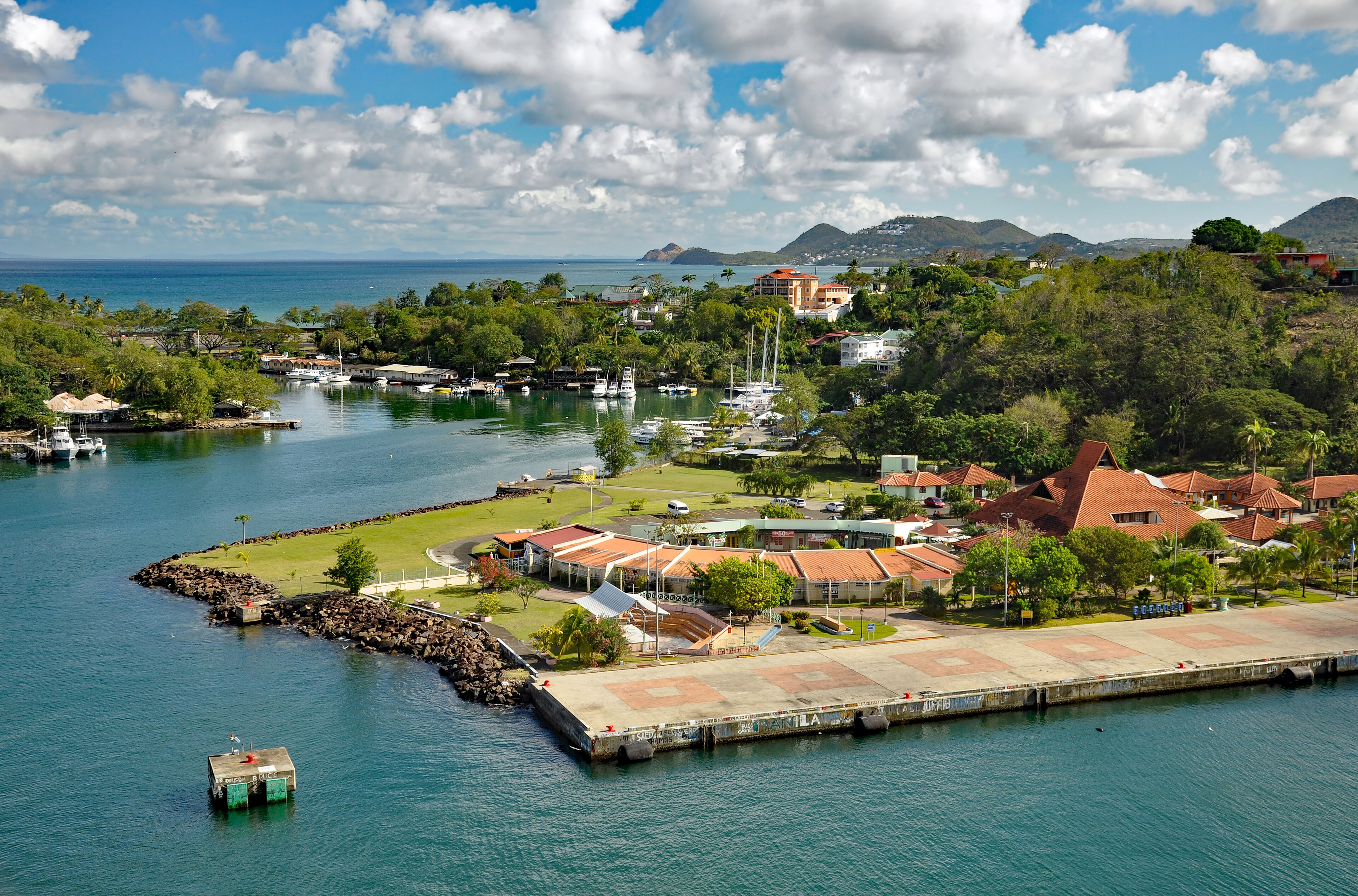
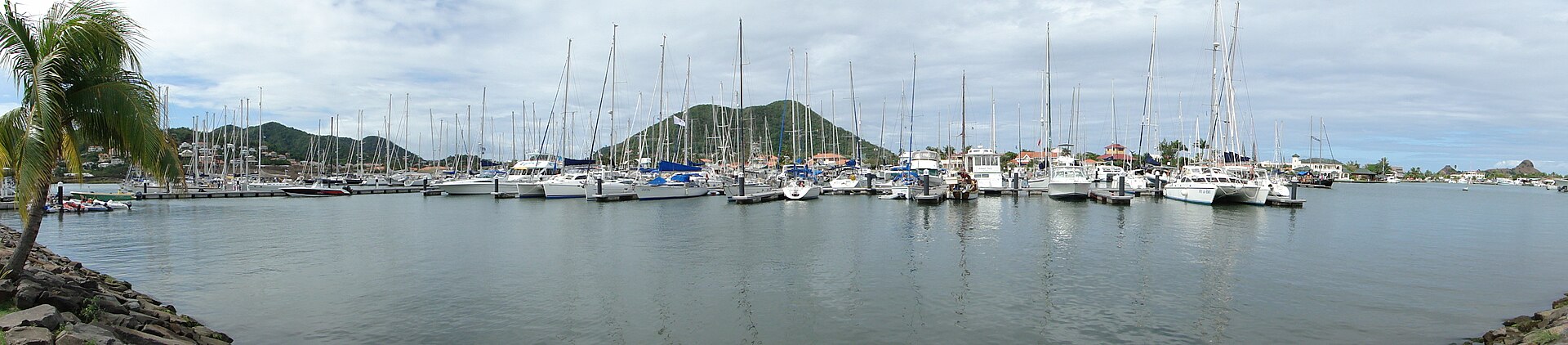
The Saint Lucia Air and Seaport Authority, usually shortened to SLASPA, runs the island's gateways. That covers the two airports, Hewanorra International in the south and George F. L. Charles at Vanuarge near Castries, together with the cruise terminals and cargo ports. Every visitor meets it, because the terminal where you land, the cruise berth where you dock and the marina services that support yachts all sit within its world. Our getting here guide and cruise arrival guide explain the practicalities from a traveller's point of view.
Customs and Excise is the body you meet at the border. It deals with what you bring in and out, from duty-free allowances to commercial goods and, for yachts, clearance of vessels and crew. The department also publishes a guide for returning nationals, which explains how people coming home after a long absence can bring their belongings back. Rules and allowances change, so always check the current wording before you pack a container. Skippers arriving by sea should read our yacht arrival and clearance guide alongside the authority's own notices.
Immigration controls on entry and stay are covered in our visa and entry guide, and for people applying from Britain the Saint Lucia High Commission is the contact point for visas and passports.
Which agencies promote tourism, trade and investment?
The Saint Lucia Tourism Authority promotes the island as a destination, markets it to British and other audiences, and works with hotels, tour operators and attractions. It is the natural first stop for questions about visiting, and it works closely with the London High Commission on trade shows and campaigns. If you are choosing where to go, our where to stay guide and things to do guide cover the practical side.
Invest Saint Lucia is the national investment promotion agency. It presents opportunities in sectors such as tourism, agriculture, renewable energy and technology, and helps investors navigate approvals and incentives. Export Saint Lucia supports local producers selling overseas, from sauces and chocolate to rum and crafts, and it is why you may spot a Saint Lucian product on a British shelf. The Citizenship by Investment Programme is a separate government programme with its own unit, covered in our citizenship by investment guide. For the basics of investing, see why invest in Saint Lucia and the incentives and tax guide.
Who deals with business, standards, tax and statistics?
The Ministry of Commerce, Business Development and Consumer Affairs is the home of business registration policy, trade rules and consumer protection. Anyone setting up a company, selling goods to the public or complaining about a trading practice will find themselves in its orbit. Alongside it, the Saint Lucia Bureau of Standards works on product standards and quality, which matters to food producers, builders and exporters as much as it does to shoppers.
Inland Revenue collects national taxes, and anyone earning, trading or owning property on the island will meet it sooner or later. Our property guide touches on the taxes that relate to buying and owning land. The Statistics Department publishes the national figures on population, prices, trade and the economy, which is where researchers and journalists find reliable numbers. If you want context before you read the data, our economy of Saint Lucia page sets out the main sectors. The National Insurance Corporation runs the national pension and social insurance scheme for workers and employers, which is relevant to anyone hiring staff or moving to work on the island.
Who protects farmers, food and the environment?
The Ministry of Agriculture, Food Production, Fisheries and Rural Development looks after farming, fishing and rural communities. It matters to visitors in an indirect way, because it supports the growers behind the produce at the market and the fishermen who land the catch you eat at a beach bar. Bananas once dominated the economy and farming is still central to rural life, as our agriculture and bananas page explains. To taste the results, visit a market or try one of the farm to table tastings.
The National Emergency Management Organisation, known as NEMO, coordinates preparation and response when the weather turns dangerous. It issues advisories, runs shelters and works with other agencies during hurricanes, heavy rain and landslides. If you are visiting during the Atlantic hurricane season, follow its guidance and your hotel's instructions, and read our climate and hurricanes guide and health, insurance and safety guide before you travel.
Which bodies handle identity, post, elections and e-services?
Several smaller bodies are useful to residents and the diaspora. The Electoral Office manages the voters' list and the running of elections, which is of interest to citizens who want to understand how representation works, and the broader picture appears in our government and politics page. The Saint Lucia Postal Service handles mail and, as the citizenship guidance shows, sells the stamps needed for some applications. It also matters to anyone sending parcels to the island or collecting mail.
DigiGov Saint Lucia is the government's e-services portal, brought together under the govt.lc domain, which the High Commission also uses for its email addresses. It is where citizens and businesses can find digital services as they are introduced, so check it for the latest options. The Ministry of External Affairs oversees foreign policy and runs the overseas missions, including the High Commission in London. If you need a document from Saint Lucia while you are in Britain, start with the vital records guide or the citizenship by descent guide.
How do you find the right office, and avoid scams?
Start with the body whose job matches your problem, then use the government portal at stlucia.gov.lc or search for the department by name. Use the contact details published on genuine government pages, and compare them with those on another trusted page, such as the High Commission's, if you are unsure. Messages that look authoritative but arrive unexpectedly, ask for urgent payment or request passport scans deserve suspicion. The High Commission itself warns the public about fraudulent communications.
A few habits help. Keep emails and reference numbers. Ask for written confirmation of any fee, and pay only by the method the department itself publishes. Allow generous time, particularly for anything that crosses the Atlantic. If you are planning a longer stay, a move or a purchase, start with our trip planning hub and investment hub, then speak to a local lawyer. Public bodies are generally helpful when approached politely, and a courteous phone call often resolves what a dozen emails cannot.
Questions travellers ask
What is SLASPA?
SLASPA is the Saint Lucia Air and Seaport Authority, the body that runs the island's airports and seaports, including the passenger terminals visitors use when they fly or cruise in.
Who handles customs in Saint Lucia?
Customs and Excise controls goods entering and leaving the island, collects duties and clears vessels, and publishes guidance for returning nationals bringing belongings back home.
What does the Saint Lucia Tourism Authority do?
It markets the island as a destination, supports the visitor industry and works with partners such as the High Commission in London to promote Saint Lucia to British travellers.
What is NEMO?
NEMO is the National Emergency Management Organisation, which coordinates preparation for and response to hurricanes, floods and other emergencies, including public advisories and shelters.
Which agency should an investor contact first?
Invest Saint Lucia is the main investment promotion agency, helping investors understand sectors and incentives, while Export Saint Lucia supports local exporters selling abroad.
Who collects tax in Saint Lucia?
Inland Revenue collects national taxes. The National Insurance Corporation separately runs the national insurance scheme, which covers pensions and other social insurance for workers and employers.
Where can I find national statistics?
The Statistics Department publishes figures on population, prices, trade and the economy, and it is the usual source for researchers who want reliable data on the island.
What is DigiGov Saint Lucia?
DigiGov Saint Lucia is the government's e-services portal, a single place where digital public services are being brought together, so check it for current online options.
How do I avoid fraud when contacting a department?
Use only contact details from genuine government pages, pay only by methods the department publishes and be wary of unexpected messages demanding urgent payment or personal documents.
Castries on the map
Castries is around 14.0096 degrees north, 60.9902 degrees west. Map data from OpenStreetMap contributors.
Ask Lucy about Government departments and useful agencies
Ask about places to stay, things to do, the weather or getting here.
Keep exploring Saint Lucia
Looking for the industry view? Visit St Lucia on VisitTravelGroup.com covers the destination for travellers and the tourism trade.
More from the Visit Travel Group network: VisitTravelGroup.com, Benidorm.co.uk, Anguilla.co.uk, TheRedSea.co.uk.