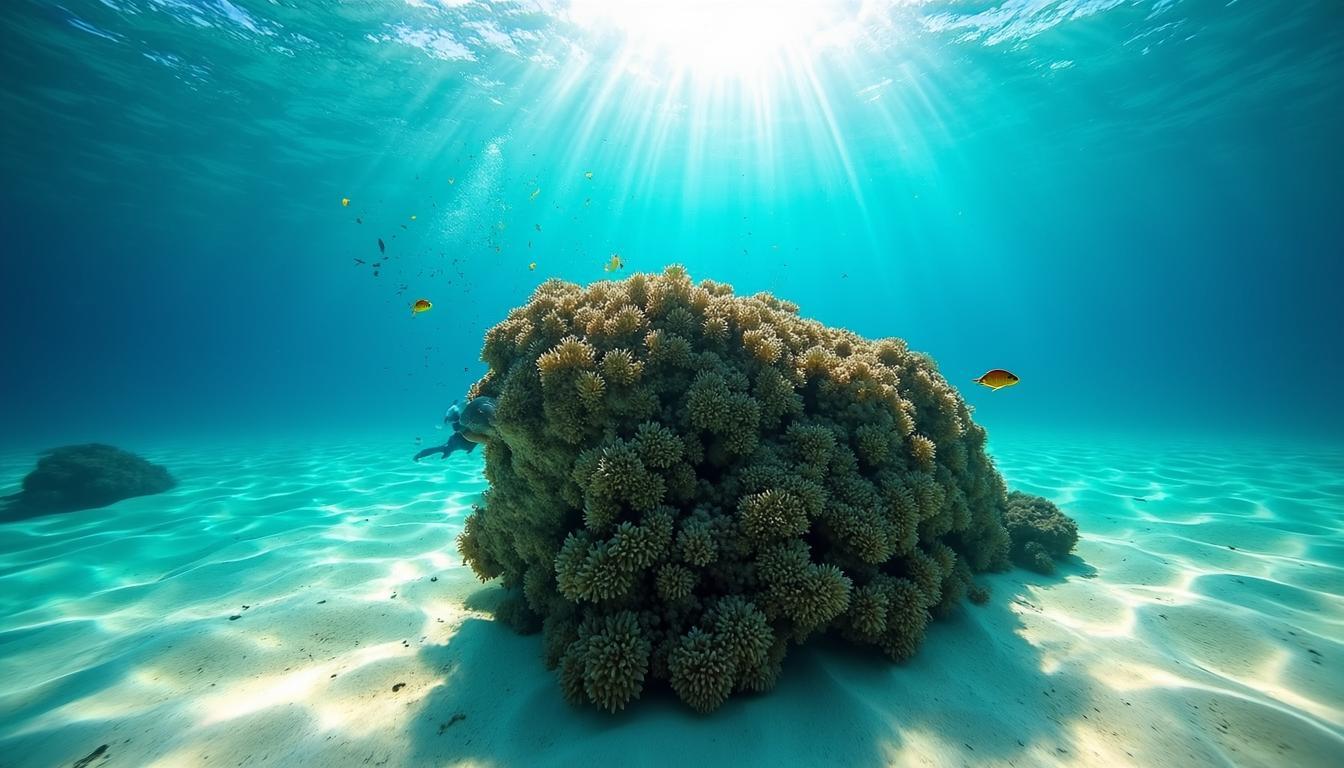
A new kind of attraction is being placed on the seabed off Saint Lucia's southwest coast this winter. Below Saint Lucia, an underwater sculpture park at Anse La Verdure, is due to open in November and will combine art, history and marine conservation in a single dive site for certified divers.
As reported by Breaking Travel News, the park has been developed by DeepBlueSea and forms the first stage of a three-part concept, with later phases planned at locations suited to snorkellers as well as divers. It joins the 22 established dive sites already operating around the island.
The centrepiece is a collection of 31 sculptures, each honouring figures who have shaped the nation's story. The line-up spans those linked to the abolition of slavery, servicemen and women, business pioneers, guardians of the island's creative life, and grassroots leaders, along with other figures whose work continues to be felt today.
Among them is Dame Pearlette Louisy, the former Governor-General who served longer in that role than anyone before her and who is the only living person in the collection to hold the title of National Legend. Her sculpture stands as the final tribute in the series, marking her years of public service.
The project has the backing of the island's tourism ministry. Hon. Dr. Ernest Hilaire, Minister for Tourism, Commerce, Investment, Creative Industries, Culture and Heritage, described it as an innovative experience that allows the destination to broaden what it offers visitors while staying true to its people, its past and its environment. He added that it gives another reason to explore the island's waters and connect with the stories behind the nation, and stressed that community involvement will be central to how the attraction is run.
Sustainability sits at the heart of the design. Each sculpture is intended to work as an artificial reef, giving coral a surface to colonise and shelter for marine life, while also serving as a teaching tool about ocean protection, care for the environment and resilience in the face of climate change. The park is part of a wider push to build tourism experiences that both highlight the island's natural assets and help safeguard them.
For anyone who has been diving in St Lucia before, the setting will feel familiar. The island's volcanic geology has created walls that fall away close to shore and reefs in warm, sheltered water, and much of the southwest coast sits within a marine management area that protects the reefs and their fish. Dive centres at the main resorts run courses and guided trips, and beginners can try a discovery dive with an instructor without prior certification, though qualified divers will have the widest choice of sites, including this one.
The opening also widens the list of things to do in St Lucia beyond the island's better-known draws. It sits within reach of the Pitons, the twin volcanic peaks on the southwest coast whose surrounding management area was inscribed on the UNESCO World Heritage List in 2004 and covers roughly 2,909 hectares. Conservation on land and sea is well organised here: the Saint Lucia National Trust, created by law in 1975, manages sites such as Pigeon Island National Landmark and the Maria Islands, while bodies like the Soufrière Marine Management Association look after the Pitons coast.
For visitors, the timing matters. November falls at the start of the dry season, which many consider the best time to visit St Lucia for clear water and settled weather, and it aligns with the period when flights to St Lucia are at their busiest from the UK for the winter sun season. Anyone booking holidays to St Lucia this winter will be able to add the park to an itinerary that might otherwise centre on the beaches in St Lucia, the rainforest trails or the island's food and rum scene.
Where to stay will depend on taste and budget. There are luxury hotels in St Lucia along the west coast, a good spread of all-inclusive resorts in St Lucia for those who want everything arranged, and plenty of boutique hotels in St Lucia for travellers who prefer something smaller and design-led. Villas in St Lucia are another option, particularly around Soufrière and Cap Estate, and many are close to the dive shops that will run trips to the new site.
The park also gives dive operators and hoteliers a fresh reason to extend stays. Travellers wondering how many days in St Lucia they need to fit in the Pitons, the rainforest and now the underwater park may find a week or more justified, and the attraction could appeal to couples planning a honeymoon in St Lucia who want one memorable shared experience in the water, as well as to school and youth groups on family holidays in St Lucia looking for an educational outing.
There is a cultural thread to the project too. By honouring figures from the island's past, the collection invites visitors to look further into the culture and traditions of Saint Lucia, from its heritage sites to the Kwéyòl language still spoken in communities across the island. The minister's emphasis on community participation suggests local guides and storytellers will have a role in how the site is presented once it opens.
Below Saint Lucia is scheduled to welcome its first divers in November, with two further phases of the underwater park still to come, including sites aimed at snorkellers. Until then, the island's existing dive sites and the new sculptures' progress on the seabed will be ones to watch as winter approaches.
Plan your St Lucia holiday
- Hotels in St Lucia: resorts, villas and boutique stays compared.
- Things to do in St Lucia: from the Pitons to the sulphur springs.
- Best time to visit St Lucia: weather, seasons and prices by month.
- Flights to St Lucia: routes from the UK and what to expect.
- Plan your St Lucia holiday: ask us anything, or send an enquiry.