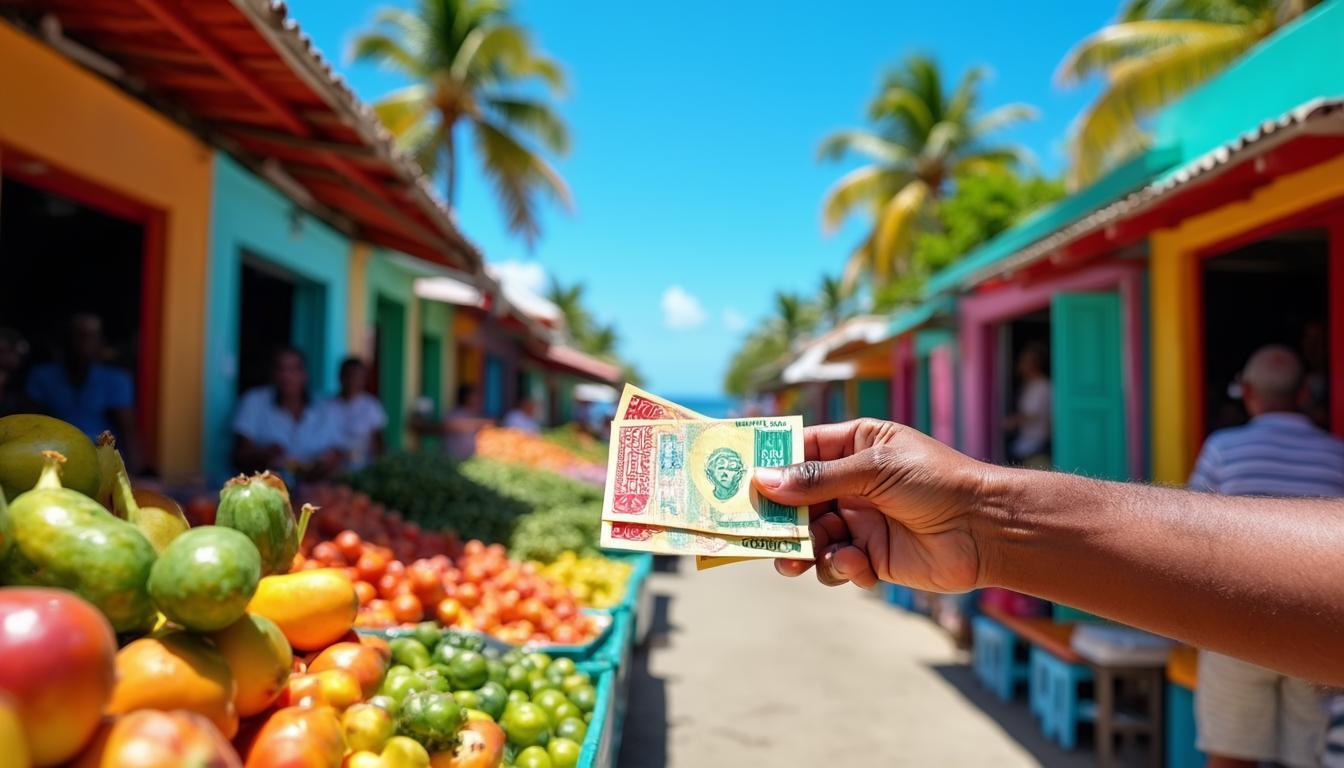
The Eastern Caribbean dollar is Saint Lucia's currency, and anyone booking holidays to St Lucia this winter can leave the sums to a single fixed figure: the EC dollar has been tied to the US dollar since 1976, so every price converts in your head. As reported by Saint Lucia Tourism Authority, the tourism authority has published a fresh practical guide to money on the island, covering cash, cards and tipping, and the headline for British visitors is simple: US dollars are accepted almost everywhere, cards work in most tourist settings, and a little local cash solves the rest.
The Eastern Caribbean dollar, written EC$ or XCD, is not Saint Lucia's alone. Eight island nations and territories share it, and the Eastern Caribbean Central Bank issues the notes. The tie to the American currency means EC$27 is roughly US$10, a calculation most visitors master within a day. Notes run from EC$5 to EC$100.
For UK travellers the arithmetic runs through the dollar rather than the pound, but the practical advice is the same. Tourist services often quote prices in US dollars, and taxis, hotels, restaurants and tour operators take them without fuss. Change, though, usually comes back in Eastern Caribbean dollars, so it is worth confirming which currency a quoted price refers to before you agree to it.
The tourism authority's advice on timing matters more than it sounds. Within the resort zones, cards and dollars carry you through. Outside them, the balance shifts. Market stalls, small restaurants, village bars and minibuses all run on local notes, and small denominations make every purchase quicker. The guide points to Castries Market on a Saturday morning and the Friday fish fry at Anse La Raye as the classic examples, where EC dollars in small notes beat everything else.
That cash-and-market rhythm is also where the island rewards visitors who step beyond their hotel. Saint Lucia's coast and interior, from the beaches in St Lucia to the trails climbing through the rainforest, sit alongside a working island life, and the food and rum in St Lucia are at their best in the small places that prefer cash. Carrying a modest float of local notes means you can stop where the cooking is good rather than where the card machine works.
Plastic is more widely useful than many first-timers expect. Visa and Mastercard work at most hotels, restaurants, larger shops and established tour providers, and ATMs at bank branches and shopping centres across the island dispense EC dollars. Smaller, family-run tour operators may prefer cash, so the authority suggests confirming the payment method when you book.
Banking is equally straightforward, if you plan around the hours. Banks open Monday to Thursday from 8am to 2pm and on Fridays from 8am to 5pm. Currency exchange booths operate at the airport, and many hotels will change money at the front desk, which covers most arrivals without a dedicated trip to a branch.
Tipping is where most visitors want clear numbers, and the guide supplies them. Many hotel and restaurant bills already include a 10 per cent service charge, with taxes possibly added on top, so check whether a quoted price includes both. Where no service charge appears on the bill, a tip of around 10 to 12 per cent is customary. Hotel staff, taxi drivers, spa therapists and tour guides are all noted as deserving recognition for attentive service.
The practicalities matter differently depending on how you stay. Guests at all-inclusive resorts in St Lucia will barely touch cash beyond tips and taxi fares, while those in self-catering villas in St Lucia or the smaller boutique hotels in St Lucia will want local notes for groceries, beach bars and market shopping. Whichever it is, the fixed exchange rate removes the risk that typically complicates a two-week budget.
The guide is part of a wider push by the tourism authority to strip friction out of the booking decision, sitting alongside advice on entry requirements, electricity and banking hours on its Plan Your Trip pages. The message to the travel trade and to visitors is consistent: the money question should never be the reason to hesitate on a Caribbean booking, and in Saint Lucia it is among the simplest in the region.
British Airways flies non-stop from London to Saint Lucia through the winter season, and with the currency questions settled the rest of the trip planning comes down to taste: whale and dolphin watching trips leave the west coast bays, the Pitons anchor the southern scenery, and the Castries market run makes an easy half-day. Once the wallet is sorted, the authority's framing holds, the days belong to the island.
Questions and answers
What currency does Saint Lucia use?
The Eastern Caribbean dollar, written EC$ or XCD. It is shared by eight island territories and issued by the Eastern Caribbean Central Bank.
Can I pay in US dollars in Saint Lucia?
Yes. Hotels, restaurants, tour operators and taxis widely accept US dollars, though change usually comes back in Eastern Caribbean dollars, so confirm which currency a price is in.
Do I need cash in Saint Lucia?
A small amount of EC dollars in small notes is useful. Market stalls, minibuses, village bars and the Friday fish fry at Anse La Raye run on local cash.
Can I exchange money at the airport in Saint Lucia?
Yes, there are exchange booths at the airport. Many hotels can also exchange money at the front desk, and banks open Monday to Thursday from 8am to 2pm and Friday from 8am to 5pm.
Plan your St Lucia holiday
- Hotels in St Lucia: resorts, villas and boutique stays compared.
- Things to do in St Lucia: from the Pitons to the sulphur springs.
- Best time to visit St Lucia: weather, seasons and prices by month.
- Flights to St Lucia: routes from the UK and what to expect.
- Plan your St Lucia holiday: ask us anything, or send an enquiry.