New ocean buoys to sharpen Saint Lucia weather forecasts and reef monitoring
Saint Lucia has taken delivery of three solar-powered ocean monitoring buoys from the Caribbean Institute for Meteorology and Hydrology, feeding real-time sea temperature data into forecasting and reef protection.
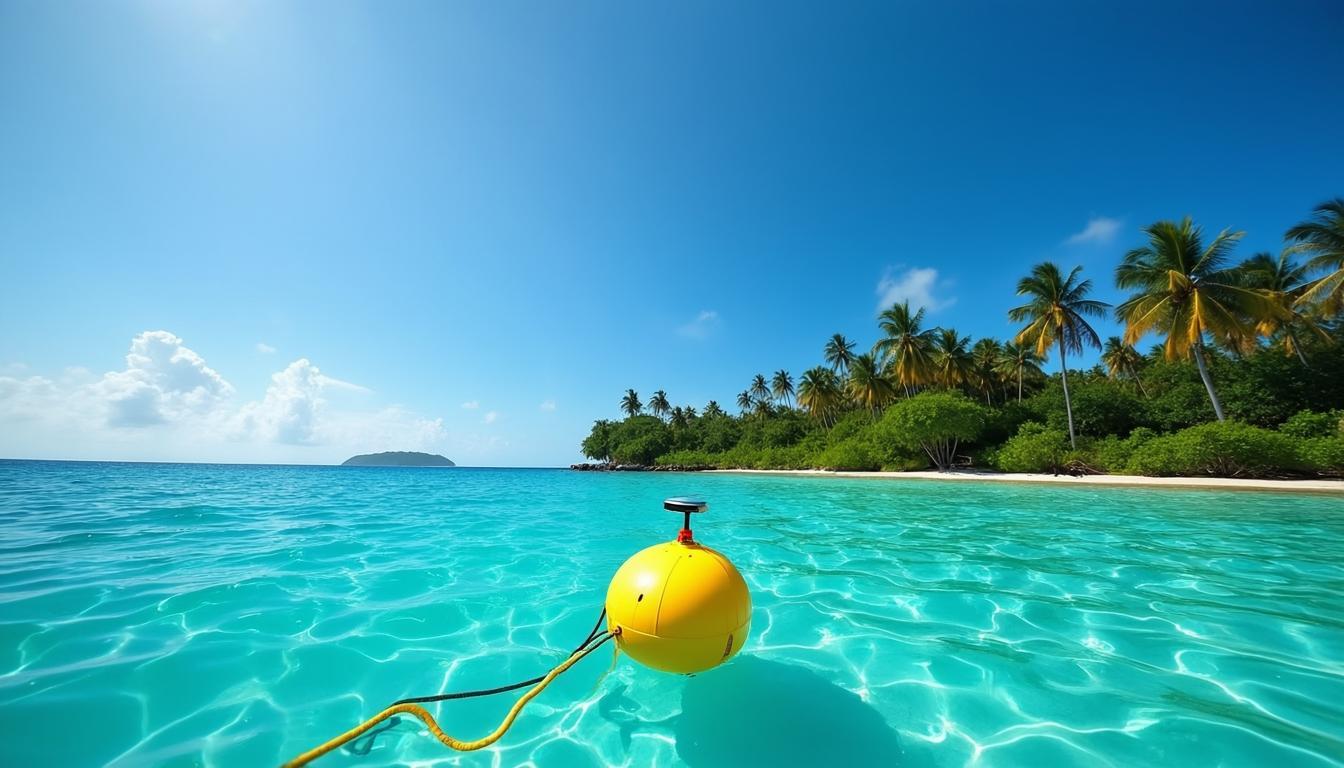
Saint Lucia's weather forecasters and marine scientists will soon be working with far better information about the sea around the island. On Monday the Caribbean Institute for Meteorology and Hydrology handed three advanced, solar-powered ocean monitoring buoys to the Ministry of Infrastructure, Ports, Services and Energy at a ceremony at the ministry's headquarters in Union, as reported by The Voice St. Lucia News.
Each buoy carries a sensor string with temperature sensors set at several depths, and temperature-sensing cables that record conditions between 20 and 25 metres below the surface. Once deployed, the systems transmit real-time data continuously, capturing surface, mid-depth and deep-water temperatures around the clock.
The point of all that data is practical. Sea temperature drives the island's weather, its storms and the health of its reefs, and the new equipment will feed directly into forecasting, climate monitoring and disaster risk reduction. The ministry says the buoys will sharpen weather forecasting, improve understanding of how tropical storms and hurricanes develop, and support monitoring of ocean warming and marine heatwaves.
The consequences reach well beyond the meteorology office. Because ocean temperature governs where fish gather and how corals cope, the data will help agencies track shifting fish habitats, assess reef health and detect the conditions that lead to coral bleaching. It will also feed into coastal and maritime safety work, and into the national climate resilience planning that rising seas and heavier rain have made a priority for the island.
Getting the hardware into the water is only half the job. After the handover, CIMH technical research officer Courtney Forde led a training workshop for ministry staff and representatives of marine and environmental organisations, covering the buoys' specifications, deployment, recovery and ongoing maintenance. Director of Meteorological Services Vigil Saltibus and Deputy Permanent Secretary George Melchoir accepted the equipment on the island's behalf.
For visitors, the science is more relevant than it might first appear. Saint Lucia sits where the Atlantic meets the Caribbean Sea, and the sheltered west coast has the calm, clear water and steep underwater walls where whales and dolphins pass close to shore. Better sea data should, over time, mean more accurate forecasts for anyone booking holidays to St Lucia, where conditions can differ sharply between the exposed east and the placid west.
The same applies to the water itself. The reefs that support diving in St Lucia, shaped by the volcanic boulders and submerged walls of the west coast, are among the island's most valuable natural assets, and early warning of coral bleaching conditions gives marine managers a fighting chance to protect them. Swimmers and sailors will notice the difference in forecasts too, particularly around the beaches in St Lucia on the calmer western shore.
Saint Lucia's weather is tropical, with daytime coastal temperatures around 30 degrees Celsius all year and rainfall as the main seasonal change. That makes sea conditions a real factor when weighing the best time to visit St Lucia, and the new buoys should eventually make those judgements better informed.
Visitors arriving on flights to St Lucia this winter may find the tourism industry taking note. Ferries, dive boats, catamaran trips and fishing charters all plan their days around sea conditions, and the new local measurements should give crews sharper information than regional forecasts alone.
Cruise calls stand to benefit too. Shore excursions from St Lucia cruises are often cancelled or rerouted on the strength of a sea-state forecast, and tighter local data should mean fewer unnecessary cancellations and better-justified ones when weather genuinely threatens.
The hotel sector, which underpins much of the economy of Saint Lucia, has a stake in reef health as well as in forecasts. The island's hotels in St Lucia sell the sea as much as the sand, and healthier reefs and more reliable marine conditions protect the product they offer guests.
What is not yet known is where and when the three buoys will be deployed, or how quickly their data will be woven into public forecasts. The ministry has said only that deployment follows the training. When the systems go live, Saint Lucia will have its own real-time, at-depth measurements of the waters around it, around the clock.
Questions and answers
What have the new ocean buoys been given to Saint Lucia for?
The three solar-powered buoys, given by the Caribbean Institute for Meteorology and Hydrology, collect real-time sea temperature data from the surface down to 25 metres. That data supports weather forecasting, hurricane monitoring, fisheries management and reef health assessment.
Will the buoys make Saint Lucia's weather forecasts more accurate?
The ministry expects so. Sea temperature drives storm development and local conditions, and the continuous measurements should improve forecasting for the island and the wider Caribbean.
How does this affect coral reefs in Saint Lucia?
The data will help agencies detect conditions that lead to coral bleaching and track reef and fish habitat changes. That gives marine managers earlier warning to protect reefs on the sheltered west coast.
When is the best time to visit Saint Lucia for reliable weather?
The drier months from December to April are the most reliable, and daytime coastal temperatures stay around 30 degrees all year. The Atlantic hurricane season runs from June to November, which travellers may wish to consider.
Plan your St Lucia holiday
- Hotels in St Lucia: resorts, villas and boutique stays compared.
- Things to do in St Lucia: from the Pitons to the sulphur springs.
- Best time to visit St Lucia: weather, seasons and prices by month.
- Flights to St Lucia: routes from the UK and what to expect.
- Plan your St Lucia holiday: ask us anything, or send an enquiry.