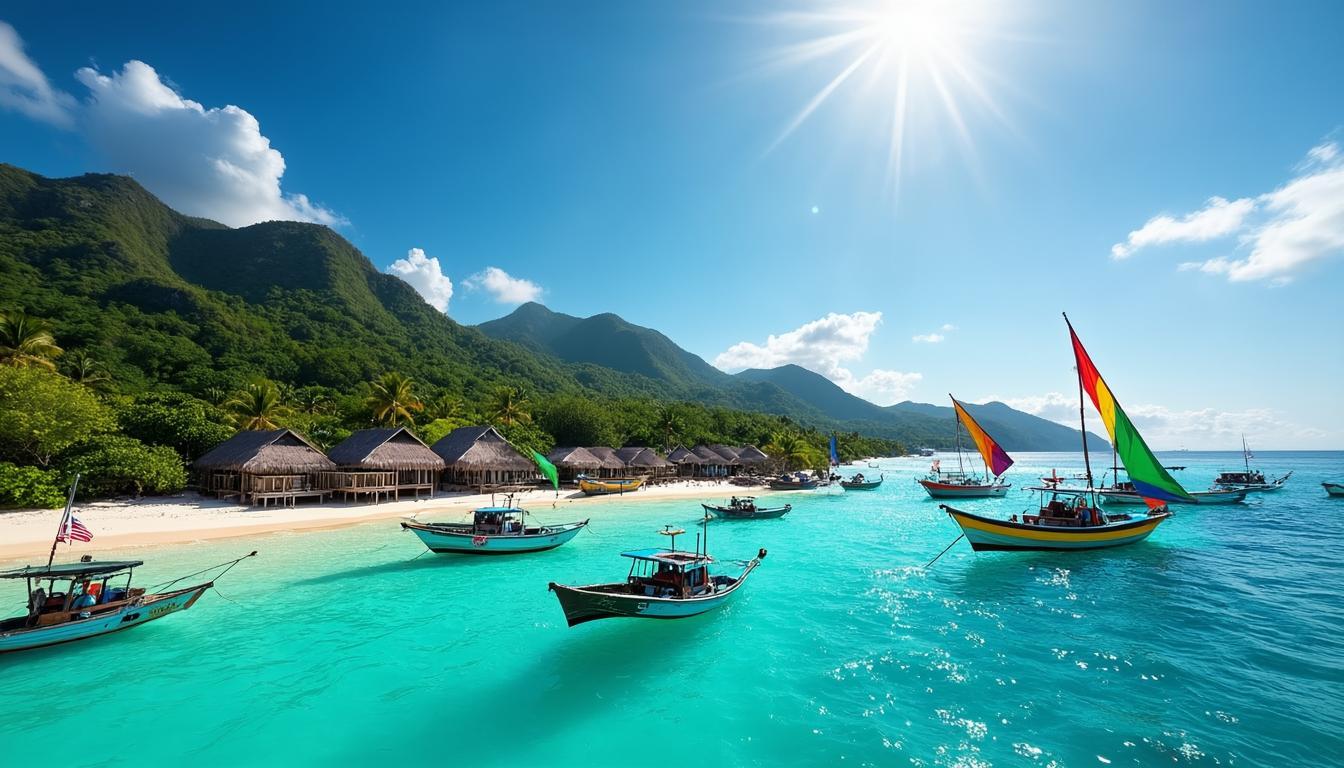
Saint Lucia's coastal communities, the same strips of sand and shoreline that carry most of the island's hotels and harbours, are to share in a US$44 million climate adaptation programme approved by the Green Climate Fund. The five-year project, known as CABRIC, will also cover The Bahamas, Belize, Grenada and Jamaica. Dominica News Online
The Climate Actions for Building Resilience in Coastal Communities project was welcomed by the Caribbean Community Climate Change Centre, which will act as the regional direct access entity and work with the five countries and national grant administrators to deliver it.
The heart of the programme is a US$25 million grant facility for locally led adaptation, funding community-driven initiatives of up to US$500,000 each. Officials expect at least 118 subprojects across the five countries, reaching nearly a million people. Money is earmarked for mangrove restoration, climate-resilient agriculture and fisheries, early warning systems, climate-resilient health facilities and work on the social and psychological impacts of climate change on island communities.
Dr Colin Young, the centre's executive director, described the approval as a transformational investment for vulnerable coastal communities, saying the design deliberately sends grant money to those most exposed while putting women and girls at the centre of both planning and outcomes. Kristin Lang, the fund's regional director for Latin America and the Caribbean, said the project moves adaptation finance and decision-making closer to the communities themselves.
That matters for anyone who books holidays to St Lucia, because the island's tourism economy and its population are concentrated on a narrow coastal strip. Rising seas, warmer water, coral stress and heavier rainfall threaten exactly the beaches, reefs and harbours that visitors come for, and the government has already made resilience and coastal protection national priorities. Most roads, homes and hotels sit within reach of the tide.
The stakes are easiest to see on the west coast, where the Pitons rise above Soufrière and the reefs below them draw snorkellers and divers from around the world. Mangrove restoration and reef protection funded under projects of this kind are not abstract policy on an island like this; they are the difference between a shoreline that holds and one that washes away. Local dive operators near Soufrière already invite certified divers to help with coral nurseries, and community conservation groups such as the Saint Lucia Marine Health Alliance work on reef health alongside the tourism trade.
For visitors, the practical questions are unchanged: when to come and where to stay. The spread of accommodation along the coast, from boutique hotels in St Lucia to larger resort properties, is one reason community-level protection work matters to the wider economy.
The CABRIC design pairs the grant facility with technical assistance to help local organisations develop and manage adaptation projects, and with support for gender-responsive coastal policies. A regional Knowledge Hub and community of practice will let the five countries swap risk information and lessons learned. Bahamas officials praised the grant-based financing and the country ownership built into the plan.
Implementation is the next step. The climate centre will work alongside the five participating countries and their grant administrators, and Dr Young acknowledged both the national administrators and the Green Climate Fund for their confidence in the centre's mandate to help CARICOM member states access and deliver climate finance. No timetable for the first Saint Lucian subprojects has yet been announced, and the source does not say which communities will be prioritised.
Questions and answers
What is the CABRIC project in Saint Lucia?
It is a five-year, US$44 million climate adaptation project approved by the Green Climate Fund for Saint Lucia, The Bahamas, Belize, Grenada and Jamaica. It funds locally led coastal resilience work including mangrove restoration and early warning systems.
How much money goes directly to communities?
A US$25 million locally led adaptation grant facility sits at the centre of the project, financing community-driven initiatives of up to US$500,000 each, with at least 118 subprojects expected across the five countries.
Why does coastal resilience matter for Saint Lucia holidays?
Most of the island's people, roads and hotels sit on a narrow coastal strip, and the beaches and reefs that attract visitors are threatened by rising seas, coral stress and heavier rain. Protecting the shoreline protects the tourism economy as well as communities.
When is the best time to visit Saint Lucia?
The dry months from December to May are generally the most popular. The resilience projects aim to help the island cope with the heavier rainfall and storm risks of the wetter season.
Plan your St Lucia holiday
- Hotels in St Lucia: resorts, villas and boutique stays compared.
- Things to do in St Lucia: from the Pitons to the sulphur springs.
- Best time to visit St Lucia: weather, seasons and prices by month.
- Flights to St Lucia: routes from the UK and what to expect.
- Plan your St Lucia holiday: ask us anything, or send an enquiry.