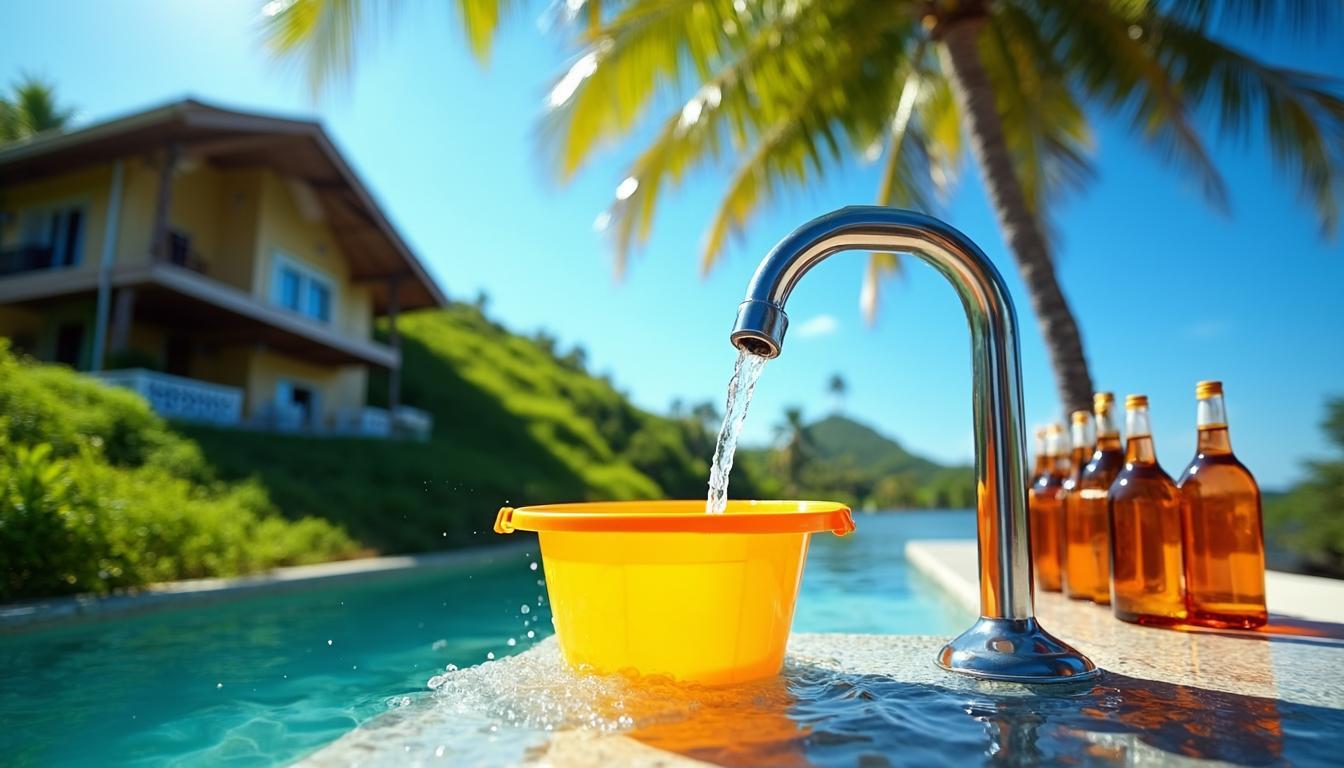
Every sample the Water and Sewerage Company has tested recently meets World Health Organisation standards, the utility said on Tuesday, even as Saint Lucia works through a stretch of interrupted supplies. For an island whose hotel trade depends on a reliable, safe water system, the announcement matters as much for what it rules out as for what it promises. The story was first reported by St. Lucia Times.
As reported by St Lucia Times, the state-owned company, known as WASCO, has stepped up the pace of its testing across every system it runs, and said the results show the island's drinking water remaining fully within international safety limits. It attributed that record in part to work with bodies including the Water Resources Management Agency, the ministry responsible for environmental health, and partners overseas.
Quality, though, is only half the story. The island continues to face supply challenges, and WASCO is using water trucks and careful management of its systems to keep water reaching customers. It has asked households to fill storage containers sensibly and to use what they save with care until the situation eases.
There is also a twist in the company's message: some complaints about water quality, it believes, may originate inside customers' own homes. Faulty non-return valves or back-siphonage, where water from a household tank or internal pipework is drawn backwards through a property's plumbing when pressure drops, can taint an otherwise clean supply. WASCO has asked anyone with concerns to check their internal plumbing and report the problem to its control room, which will establish whether the fault lies with one property or the wider network.
For visitors, the practical picture is that the water served in Saint Lucia's hotels and restaurants remains safe by the standards the company tests against, while occasional interruptions in supply are being managed with trucked water. Resorts and larger properties in the north of the island typically hold storage of their own, and staff are used to guiding guests through any short outage. Anyone booking holidays to St Lucia this winter should not treat the announcement as a warning, but as reassurance that the utility is watching quality closely at a difficult time.
Water is, in any case, rarely far from a holiday here. Guests staying at the island's hotels in St Lucia will find tap water fine for brushing teeth and, by WASCO's testing, for drinking, though many travellers prefer bottled water in the Caribbean as a matter of habit. Rainfall is heaviest between June and November, which is when supply pressures tend to surface, something worth remembering when weighing the best time to visit St Lucia for a dry-season break.
The company's advice on storage applies to islanders and hotels alike, and it is the tourism sector that has the most to lose from any slip. All-inclusive resorts in St Lucia and the smaller properties along the west coast draw on the same mains network, and the industry's reputation rests on the island staying open and comfortable through periods when rain is scarce. WASCO's statement was, in effect, a message to that industry as much as to householders.
What happens next is largely in customers' hands: the company wants reports of any quality problem, so its teams can trace whether the cause is a single property's plumbing or a wider issue. It has not said when the supply challenges will end, and no timeline was given in its statement. Travellers with a specific question about their hotel's arrangements are best advised to ask the property directly before they fly.
Plan your St Lucia holiday
- Hotels in St Lucia: resorts, villas and boutique stays compared.
- Things to do in St Lucia: from the Pitons to the sulphur springs.
- Best time to visit St Lucia: weather, seasons and prices by month.
- Flights to St Lucia: routes from the UK and what to expect.
- Plan your St Lucia holiday: ask us anything, or send an enquiry.