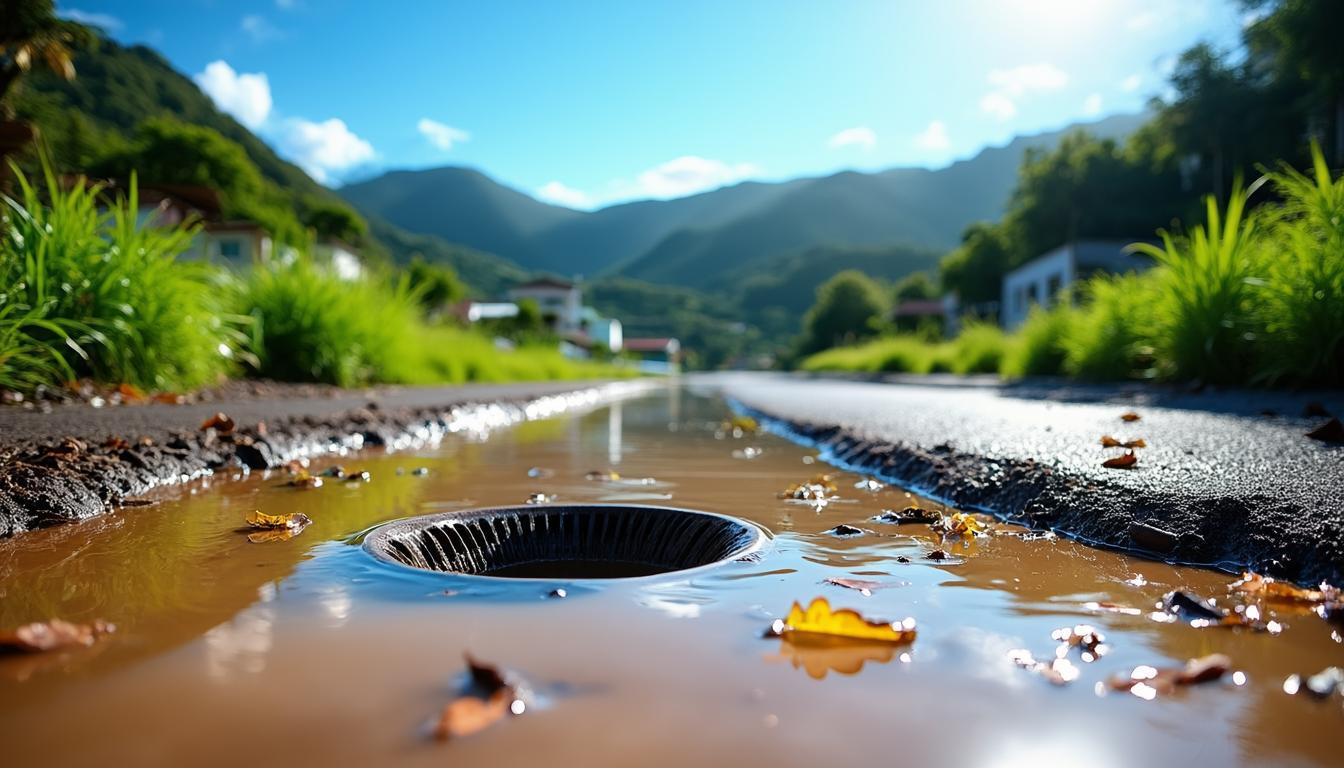
Saint Lucia's infrastructure minister has asked residents to play a bigger part in preventing flooding, saying rubbish dumped in waterways made the damage from this month's heavy rain worse than it needed to be. Shawn Edward, who holds the infrastructure, port services and energy portfolio, made the appeal at the pre-Cabinet press briefing after days of persistent rain swamped low-lying communities, among them Bexon in Castries South East.
As reported by St. Lucia Times, the minister said a team had been sent out to the worst-hit districts to carry out a first assessment of possible damage, and that nothing significant had emerged so far. What struck him on his own visit, he said, was how much of the standing water traced back to household refuse and discarded appliances chucked into drains and streams rather than the volume of rain alone.
Edward was blunt about the consequences if the habit continues. Every time solid waste ends up in a watercourse, he told reporters, the same rainfall will produce a far more serious flood than the island should otherwise expect. His remedy starts with something simple: use the collection system that already exists.
The Saint Lucia Solid Waste Management Authority runs scheduled collections for every community, including a monthly day set aside for bulk items, and the minister asked households to work with that timetable rather than around it. Observing those days, he argued, would do a great deal to reduce the localised floods that people find in their own neighbourhoods after a storm.
He also asked residents to look after the drains on their own doorsteps, suggesting that anyone with a clogged gully nearby pick up a spade or shovel and clear it themselves. Edward said he disliked seeing people leave such jobs undone, then approach the office of their parliamentary representative hoping a contract would be issued so they could be paid for work they were capable of doing on their own.
The minister was careful not to rule out official involvement. Where the Ministry of Infrastructure genuinely needs to hire crews for drainage work, he said, it will do so, but there are many small interventions that do not require a government contract at all. Clearing a modest drain, in his words, is a small contribution to a person's own wellbeing and safety and that of the wider community.
The episode is a reminder of how much Saint Lucia's tourism economy depends on infrastructure holding up when the weather turns. The island welcomes visitors year-round, and while many people assume the dry months are the best time to visit St Lucia, rain can arrive at any point in the wet season between June and November. When drains and culverts are blocked, that rain does not drain away, and roads between the airports, the ports and the accommodation zones can quickly become impassable.
The north of the island, where most of the hotels in St Lucia are clustered around Rodney Bay and Gros Islet, sits close to sea level and relies on a network of channels to move storm water off the land. The same applies to the capital, Castries, which is the first stop for most people arriving on St Lucia cruises, and where blocked gullies after heavy rain can leave streets in the town centre waterlogged within hours.
Thesouthern approach matters too. Travellers on flights to St Lucia land at Hewanorra International Airport near Vieux Fort, and the road north to the resort belt crosses rivers and low ground that respond quickly to sustained rainfall. Keeping those corridors clear of flood water is one of the practical reasons the ministry takes drainage seriously, alongside the safety of residents in flood-prone districts such as Bexon.
For visitors, the practical impact of this week's flooding appears limited. The minister's assessment teams reported no significant damage in the areas they inspected, and there has been no indication that access to the beaches in St Lucia, the rainforest trails or the resorts has been affected. Travellers with trips booked should expect normal conditions, though it is always sensible to keep an eye on the forecast during the hurricane season months.
The broader message from the ministry is about shared responsibility rather than government budgets. Edward's argument is that a well-maintained drain costs nothing when someone simply clears it, while the alternative is damage to homes, businesses and the roads that carry visitors between the ports, the Soufrière coast and the Pitons in the island's south-west. In a country where tourism anchors the economy of Saint Lucia, he suggested, that small effort is one every community can afford.
The ministry says further assessments will continue in the affected areas, and residents are being encouraged to contact the Solid Waste Management Authority about the collection schedule in their community. Whether the appeal changes habits remains to be seen, but the minister has made clear that the next heavy rainfall will be a test of how much the island is prepared to help itself.
Plan your St Lucia holiday
- Hotels in St Lucia: resorts, villas and boutique stays compared.
- Things to do in St Lucia: from the Pitons to the sulphur springs.
- Best time to visit St Lucia: weather, seasons and prices by month.
- Flights to St Lucia: routes from the UK and what to expect.
- Plan your St Lucia holiday: ask us anything, or send an enquiry.