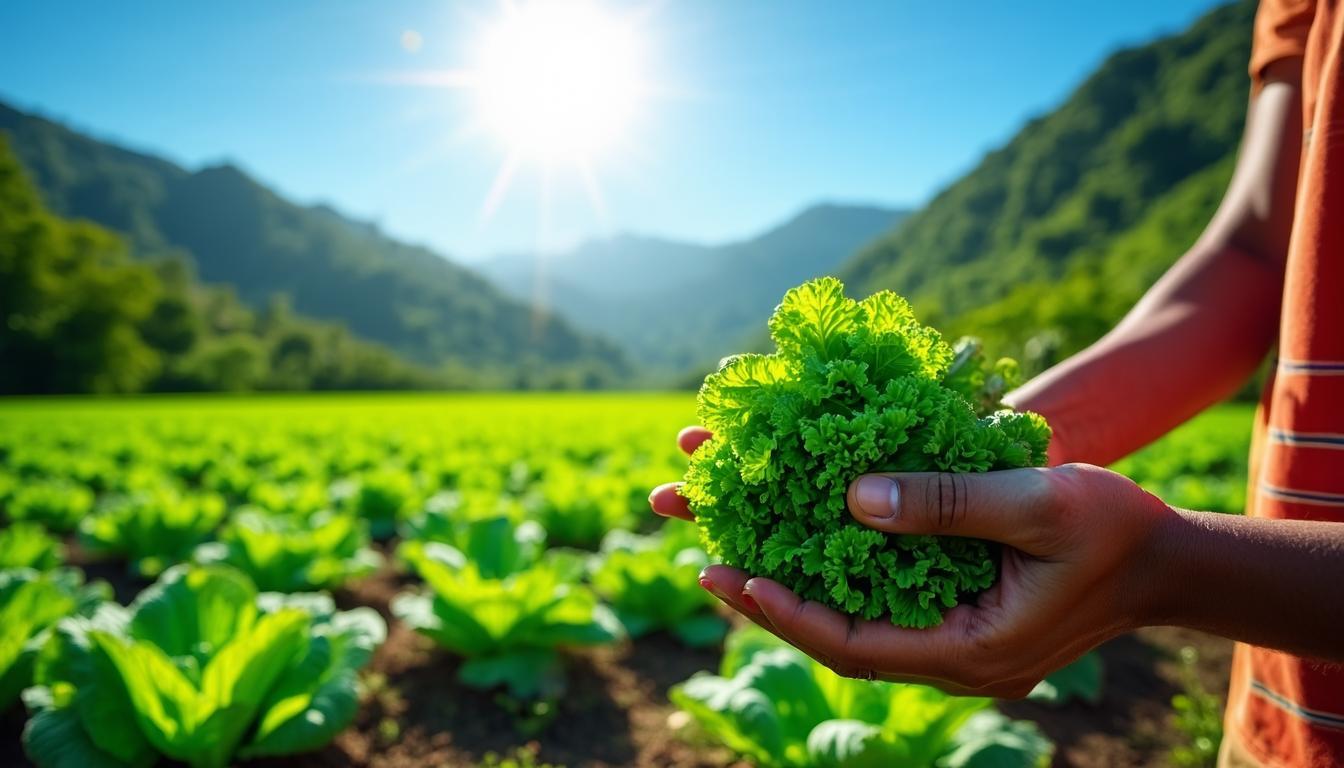
Saint Lucia used this year's World Food Day to issue itself a challenge: grow what the island eats, and eat what it grows. The Ministry of Agriculture, Fisheries, Food Security and Sustainable Development framed the global observance, held on Friday 16 October under the theme "Innovate Today. Nourish Tomorrow," as a test of whether the island can strengthen food security, expand local production and cut its dependence on imported food.
As reported by govt.lc, the government's web portal, Agriculture Minister Lisa C. Jawahir set out the case in blunt terms. Innovation, she said, cannot remain a concept; it has to reach farmers in the field and fishers at sea, helping them produce more, reduce losses and withstand climate shocks while creating profitable opportunities for the next generation. Food security, in her words, is everybody's business.
The message carries the signature of Prime Minister Philip J. Pierre, whose slogan for the campaign is simple: grow what we eat and eat what we grow. It is aimed well beyond the farming community, at supermarkets, schools, businesses, households and, significantly for the island's biggest industry, hotels.
That last group matters. Anyone who has booked holidays to St Lucia will know the island imports much of what lands on the dinner table, and a serious push towards local produce changes both the economics of the kitchen and the flavour of the food visitors eat. Ministers clearly understand that the tourism trade is part of the domestic food system they want to build.
The national celebration followed two days after the global date. On Sunday 18 October, farmers, fishers, agro-processors and the public gathered at the Odsan IRDC grounds for a day built around local enterprise: a farmers' and butchers' market, local food stalls, a cultural couture display, live entertainment and stands run by co-operatives, with a children's play area and petting zoo for younger visitors.
The event gave visitors a compressed view of local production, from crops to value-added goods from agro-processors. The shoulder season can be the best time to visit St Lucia for those who want to see the island beyond its beaches, and a food fair fits that brief.
The food push is also a story about the economy. Agriculture and tourism are the two pillars the government keeps returning to, and reducing the import bill strengthens both. Value-added products, the ministry's own phrase, point to the direction of travel: processed goods that could be sold to visitors and exported, creating a market for young Saint Lucians who might otherwise leave the land.
That direction is visible in existing enterprise on the island. Cocoa and chocolate in St Lucia and rum distilleries in St Lucia represent exactly the kind of value-added processing the ministry wants to encourage, though neither was specifically mentioned in the announcement. The culture and traditions of Saint Lucia are bound up with its food, and St Lucia festivals regularly feature food alongside music and cultural events.
What happens next is spelled out in the ministry's own language rather than in concrete commitments. Officials describe a broader vision of an agricultural sector that creates livelihoods, strengthens national resilience and reduces dependence on imports, with the stated ambition of Saint Lucia becoming a breadbasket of the Southern Caribbean. No new funding figures, targets or timelines were given in the announcement, so visitors and farmers alike will be watching for the detail behind the slogan.
For now, the observance put local produce in front of the public and gave farmers a market. Travellers booking flights to St Lucia this winter may find the fruits of that argument on their plates.
Questions and answers
When was Saint Lucia's national World Food Day celebration held?
The national celebration took place on Sunday 18 October 2026, two days after the global World Food Day observance on 16 October, at the Odsan IRDC grounds.
What happened at the World Food Day event in Saint Lucia?
The day included a farmers' and butchers' market, local food stalls, a cultural couture display, live entertainment, co-operatives and agro-processors, plus a children's play area with a petting zoo.
What is the grow what we eat and eat what we grow campaign in Saint Lucia?
It is Prime Minister Philip J. Pierre's call for Saint Lucians, including hotels, schools, supermarkets and households, to buy and support local produce so the island reduces its dependence on imported food.
Can visitors in Saint Lucia taste local produce beyond the World Food Day event?
Yes. Cocoa estate tours, rum tastings at island distilleries, Castries market and village restaurants all showcase Saint Lucian-grown food and drink throughout the year.
Plan your St Lucia holiday
- Hotels in St Lucia: resorts, villas and boutique stays compared.
- Things to do in St Lucia: from the Pitons to the sulphur springs.
- Best time to visit St Lucia: weather, seasons and prices by month.
- Flights to St Lucia: routes from the UK and what to expect.
- Plan your St Lucia holiday: ask us anything, or send an enquiry.