About Saint Lucia
Saint Lucians in the UK: the diaspora, Windrush heritage and community events
Britain and Saint Lucia are joined by history, language, cricket and family, and the community that crossed the Atlantic has shaped both places.
Who are the Saint Lucians in the UK?
Saint Lucians in the UK are people born on the island, their children and grandchildren, who live and work across Britain. No exact headcount is given here, because figures vary by source, but the community is well established, especially in London and other large cities.
Like most Caribbean communities in Britain, it is a mixture of generations. Some arrived in the decades after the Second World War, others came later as students, nurses, teachers and professionals, and many more are British-born with Saint Lucian parents or grandparents. They run churches, associations, businesses, restaurants and cricket clubs, and they keep Kwéyòl, the island's French-based Creole, alive in family conversation. The island's own population is small, and its overseas family matters to it in ways visitors often notice. Our people and demographics guide explains who lives on the island itself, and the languages and Kwéyòl guide introduces the language of home.
How does Windrush history connect to Saint Lucia?
The best known chapter of Caribbean migration to Britain begins in June 1948, when the ship Empire Windrush docked at Tilbury carrying hundreds of passengers from the Caribbean. The name has since come to stand for the wider generation of people from Commonwealth countries who answered post-war calls for workers in hospitals, transport and public services. Most of the first passengers were from Jamaica and other islands, and no individual Saint Lucian passenger is named here. What is well documented is that people from across the British West Indies, Saint Lucia among them, followed in the 1950s and 1960s.
Many arrived as British subjects, because Saint Lucia was then a British colony. The island did not become independent until 22 February 1979, a story told in our independence and modern history page. That colonial link explains why a young person from Castries could expect to settle, train and work in Britain with relative ease before the immigration laws of the 1960s tightened. Later, the Windrush scandal of 2018 exposed how some long-settled Commonwealth citizens had been left without documents to prove their right to be here, and since then Windrush Day has been marked each year on 22 June. The wider background to the island's colonial years is in our French and British rule guide.
What was daily life like for the first generation?
Accounts of the post-war Caribbean generation in Britain are consistent in outline, though every family's story is different. New arrivals often found work in the National Health Service, on buses and railways, and in factories, frequently below their qualifications. Renting a room could mean facing signs that refused tenants from the Caribbean. Many people responded by pooling savings through informal schemes, building church congregations and opening shops that sold familiar food, including saltfish, green figs and hot pepper sauce.
Children who grew up in those households often describe a double life, with British school on weekdays and Creole food, music and church on Sundays. A good number sent money home to support parents and, in time, to build a house on the island, which is one reason you see so many handsome new homes in villages from Dennery to Laborie. Our culture and traditions page describes the customs that travelled with them, and the food and rum guide shows how the island's kitchen tastes at home.
What do Saint Lucian communities in Britain celebrate?
The calendar of community events follows the island's own. Independence is celebrated around 22 February, and the High Commission has marked anniversaries in London with a gala, a service and a reception, and with a celebration in Wales in 2025. October brings Creole heritage month, called Mwa Éwitaj Kwéyòl, which coincides with Black History Month in Britain. In 2026 the High Commission announced a celebration, including a gathering on 17 October at the National Windrush Museum devoted to Saint Lucia's Creole heritage. Other events have included a Prime Minister's town hall meeting and an International Women's Day gathering, and the High Commission publishes a photo gallery of past occasions.
Food, dance and music are always at the centre. Expect bouyon and soca on the speakers, dishes such as green fig and saltfish, and conversation in a mixture of English and Kwéyòl. Our music and dance guide explains the sounds, and the festivals and events page covers the island's own Carnival, the Jazz and Arts Festival and Creole celebrations. If you join a UK event as a guest, go with curiosity rather than an agenda. People are generous with their stories when asked kindly.
How does the island stay connected to its diaspora?
The Government of Saint Lucia treats its overseas citizens as partners in national life. The High Commission in London sits at the centre of this, organising community events and listening to concerns. On 10 October 2026 a diaspora consultation was announced, with input from Saint Lucians overseas described as critical, to gather views for the National Development Plan covering 2027 to 2041 and the Medium-Term Development Strategy covering 2027 to 2031. The idea is that people who live abroad should help shape the priorities of the country they, or their families, come from. You can read about the office in our High Commission guide.
The link also works through money, ideas and travel. Remittances support households, professionals return to work in health, education and tourism, and diaspora entrepreneurs invest in farms, guesthouses and technology. For those thinking about a bigger move, our property guide and why invest guide describe the opportunities, and the citizenship by descent page explains the legal route that many families explore.
Which famous Saint Lucians have links with Britain?
Britain has long been a place where Saint Lucian talent has found an audience. The economist Sir Arthur Lewis, born on the island in 1915, taught at the London School of Economics and the University of Manchester before moving to Princeton, and shared the 1979 Nobel Memorial Prize in Economic Sciences. The poet and playwright Derek Walcott, born in Castries in 1930, won the Nobel Prize in Literature in 1992, and his work is widely read and taught in British universities. Both are covered in our literature and Nobel laureates page.
In sport, the sprinter Julien Alfred, who became Olympic 100 metres champion in Paris in 2024, visited London on tourism ambassador duties, as the High Commission's events gallery records. More broadly, cricket remains a shared language between the two countries, as our cricket culture guide explains. For a longer list of achievers, see the notable Saint Lucians page.
How can you connect with your Saint Lucian roots, or visit?
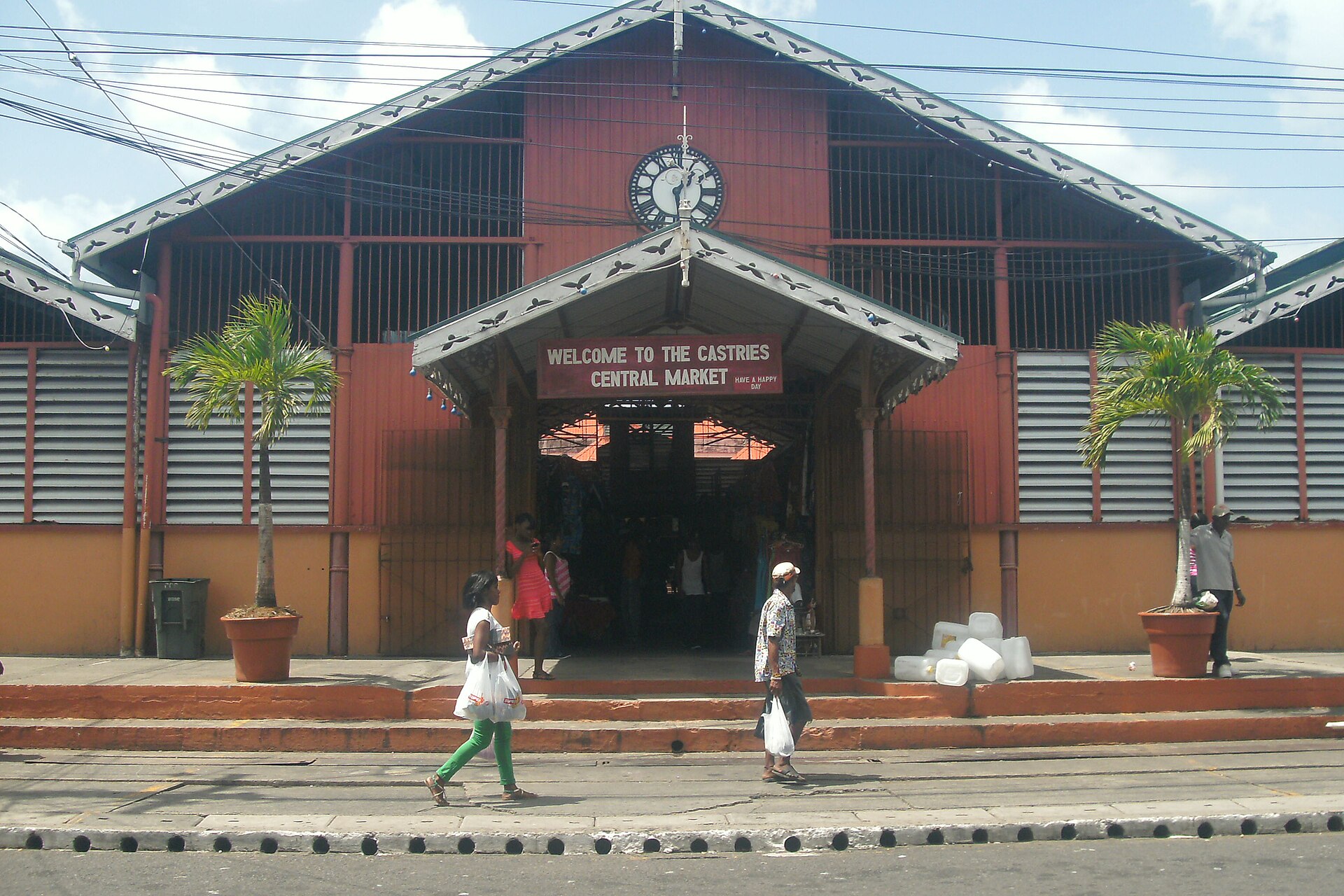
If you are tracing a family tree, begin with older relatives, gather certificates, and ask the High Commission how to request records from the Civil Status Registry. Church registers, parish records and old photographs fill in the gaps. A visit brings it alive. Walk the streets of Castries, visit the market, take the road down the west coast to Soufrière, and ask where your family's village is. Many people find that a name on a certificate is enough to start a conversation with a stranger who knows the family.
For first-time visitors with heritage ties, our culture and local experiences itinerary is a good starting point, and community tourism lets you meet residents directly. Plan around the best time to visit, and consider timing a trip with Carnival in July or the Creole celebrations in October.
Questions travellers ask
How many Saint Lucians live in the UK?
No single reliable figure is quoted here, because estimates vary by source and by how people are counted. The community is well established, particularly in London and other major cities.
What is the Windrush generation?
It describes people who came from the Caribbean and other Commonwealth countries to Britain after the Second World War, taking its name from the ship Empire Windrush, which docked at Tilbury in June 1948.
Were Saint Lucians among the Windrush passengers?
The first voyage carried mainly passengers from Jamaica and other islands. Saint Lucians were part of the wider wave of West Indian migration to Britain that followed in the 1950s and 1960s.
When is Windrush Day?
Windrush Day is marked on 22 June each year, recalling the arrival of the Empire Windrush in 1948, and it has been observed since the Windrush scandal of 2018.
What is Mwa Éwitaj Kwéyòl?
It is the celebration of Creole heritage held each October, which in the UK coincides with Black History Month. The High Commission has announced events for it in 2026.
Where can I find Saint Lucian community events in the UK?
The Saint Lucia High Commission in London publishes news and event galleries, including Independence celebrations, town hall meetings and heritage gatherings, so start with its website and social media.
Can British-born people of Saint Lucian descent claim citizenship?
Possibly. Descendants born abroad can apply through the High Commission, with three forms depending on the family line, and a 2024 amendment widened the route for later generations.
What language do Saint Lucians speak at home?
English is the formal language, and most Saint Lucians also speak Kwéyòl, a French-based Creole, which families in Britain often keep alive in conversation, songs and sayings.
Does the High Commission help Saint Lucians in Britain?
Yes. Beyond passports and certificates, it runs community events, consults the diaspora on national plans and keeps Saint Lucians in the UK in touch with the Government of Saint Lucia.
Saint Lucia on the map
Saint Lucia lies in the Windward Islands of the eastern Caribbean, around 13.8830 degrees north, 60.9670 degrees west. Map data from OpenStreetMap contributors.
Ask Lucy about Saint Lucians in the UK
Ask about places to stay, things to do, the weather or getting here.
Keep exploring Saint Lucia
Looking for the industry view? Visit St Lucia on VisitTravelGroup.com covers the destination for travellers and the tourism trade.
More from the Visit Travel Group network: VisitTravelGroup.com, Benidorm.co.uk, Anguilla.co.uk, TheRedSea.co.uk.